Haben Sie sich jemals gefragt, wer oder was der Ursprung von allem ist? Diese scheinbar einfache Frage führt uns zu einem spannenden philosophischen Problem: dem infiniten Regress.
Infinit regress – Wer hat Gott erschaffen?
Stellen Sie sich vor, alles hätte eine Ursache. Ein Stein bewegt sich, weil er gestoßen wurde. Doch wer oder was hat die erste Bewegung ausgelöst – wer war der Erstbeweger? Manche sagen, dieser Erstbeweger sei Gott. Doch dann kommt unweigerlich die Frage auf: Wer hat Gott erschaffen? Sobald man versucht, eine Ursache für die Ursache zu finden, gerät man schnell in eine endlose Kette von Fragen, ohne jemals eine endgültige Antwort zu erreichen. Genau das nennt man einen infiniten Regress.
Gödel und die Grenzen der Mathematik
Nun könnte man meinen, dass solche Probleme nur in Philosophie oder Religion auftreten. Überraschenderweise zeigt sich jedoch ein ähnliches Problem sogar in der Mathematik – einer Disziplin, die wir gern für absolut eindeutig und widerspruchsfrei halten. Der österreichische Mathematiker Kurt Gödel hat genau dies 1931 bewiesen.
Gödel fand heraus, dass in jedem ausreichend komplexen logischen System, wie etwa der Mathematik, wahre Aussagen existieren, die nicht bewiesen werden können. Anders gesagt: Selbst die Mathematik kann nicht alles beweisen, was wahr ist. Dies nennt man “Gödels Unvollständigkeitssatz”.
Warum passiert das?
Die Erklärung liegt in einer besonderen Art der Selbstreferenz, ähnlich wie das Problem des infiniten Regresses. Gödel hat gezeigt, dass mathematische Systeme Aussagen enthalten können, die über sich selbst sprechen – vergleichbar mit der Aussage: “Ich bin nicht beweisbar.” Versucht man, diese Aussage zu beweisen, entsteht ein Widerspruch. Versucht man hingegen, sie nicht zu beweisen, bleibt sie wahr, aber eben unbeweisbar. Genau diese paradoxe Situation verdeutlicht die Grenze dessen, was Mathematik leisten kann.
Die philosophische Dimension
Genau wie die philosophische Frage nach dem Erstbeweger uns zeigt, dass nicht alles erklärbar ist, zeigt uns Gödel, dass auch in der Mathematik nicht alles beweisbar ist. Beide Konzepte weisen darauf hin, dass unser Streben nach ultimativer Erklärung oder Begründung Grenzen hat – Grenzen, die tief in der Struktur unseres Denkens verankert sind.
Fazit
Ob Philosophie, Religion oder Mathematik – irgendwann stoßen wir stets auf fundamentale Grenzen. Dies ist keine Schwäche, sondern vielmehr eine Aufforderung zur Demut gegenüber der Komplexität und Schönheit der Welt, die wir wahrscheinlich niemals vollständig erfassen werden.
When you think of climate change, greenhouse gases like carbon dioxide and methane likely spring to mind. But did you know that reducing air pollution can ironically make global warming worse? Recent findings by renowned climate scientist James Hansen and his team have revealed exactly this surprising and troubling reality.
The Hidden Climate Factor: Aerosols
For decades, aerosol particles—tiny particles suspended in the atmosphere from burning fossil fuels—have inadvertently shielded us from even more intense warming. These particles reflect sunlight back into space, creating a subtle cooling effect. However, stricter environmental regulations designed to clean our air, particularly in major economies like China—where ambitious air quality policies have sharply reduced aerosol pollution—and in the global shipping industry, have significantly decreased these aerosols.
This cleaner air is great for our lungs—but it’s unmasking a hidden dimension of climate change.
The Unveiling of True Climate Sensitivity
As aerosol pollution drops, the full warming potential of accumulated greenhouse gases becomes more apparent. Hansen’s recent data show that, following a record-breaking hot year in 2024, the expected cooling in 2025 (typically caused by a shift from El Niño to La Niña) has been surprisingly modest.
In simpler terms: Even natural events that traditionally cooled our planet are losing their power to counteract warming. We are entering a new climate reality.
Earth’s Energy Imbalance Grows
Our planet absorbs more energy from the sun than it radiates back into space—an imbalance amplified by fewer aerosol particles. This effect intensifies the warming already driven by greenhouse gases, leading to unexpectedly persistent high temperatures. Hansen’s analysis warns us that global temperatures are becoming less responsive to natural cooling cycles, raising the urgency to cut greenhouse gas emissions even more rapidly.
What Can We Do?
While cleaner air remains vital for human health, Hansen’s findings emphasize the critical need to simultaneously and rapidly reduce greenhouse gas emissions. It’s a call for policymakers, businesses, and individuals alike to understand the intricate connections in our climate system and take bold actions to address emissions at their source.
A Clear Sky, A Clear Warning
Cleaner skies reveal a clear message: the climate crisis requires a more urgent response than ever. Understanding these surprising dynamics is crucial for building effective strategies to protect our planet.
Let’s ensure that cleaner air doesn’t lead to a hotter future.
Ich gehöre zu einer Generation, die in einem einzigartig liberalen Zeitfenster der Geschichte aufwachsen durfte: der zweiten Generation nach Hitler, nach Auschwitz, nach dem totalen Krieg, der Europa in Trümmer gelegt hatte. Mein Großvater väterlicher Seite war überzeugter Nationalsozialist, beteiligt an der Zerstörung der Synagogen seiner Heimatstadt im Jahr 1938, und er zog überzeugt in den Krieg. Nach Kriegsende verbrachte er zehn Jahre als Kriegsgefangener in Frankreich wegen der Beteiligung an der sogenannten Reichskristallnacht und Mitgliedschaft in der Waffen-SS. Seine Vergangenheit wurde Teil meiner eigenen Identitätssuche, einer Auseinandersetzung, die mein Leben stark prägte.
Als Jugendlicher stellte ich meinem Großvater eine simple Frage: „Warum habt ihr das alles gemacht?“ Ich erwartete eigentlich keine wirkliche Antwort. Doch er antwortete überraschend ehrlich: „Ich habe damals geglaubt, es war das Richtige, aber ich weiß heute, es war falsch.“ Diese Worte vergesse ich bis heute nicht. Sie zeigen, dass Menschen aus tiefer Überzeugung heraus fatale Entscheidungen treffen können, um erst spät zu begreifen, wie falsch sie lagen.
Meine Generation lernte in der Schule erschütternde Zahlen: 10 Millionen Tote im Ersten Weltkrieg, 60 Millionen Tote im Zweiten Weltkrieg – darunter 27 Millionen allein in der Sowjetunion, und die unfassbaren sechs Millionen Opfer des Holocaust. Diese Zahlen, diese unfassbaren Dimensionen menschlichen Leids, erzeugten tiefe Schuldgefühle und Unsicherheit. Bei meinem ersten Schüleraustausch nach England im Alter von 15 Jahren begleitete mich ein mulmiges Gefühl: Wie begegnen wir heute denen, die wir damals angegriffen hatten? Eine absurde Situation entstand, als britische Pfadfinder mich nach einem „Swastika“, einem Hakenkreuz, fragten. Ich verstand damals gerade erst die Tragweite dieses Symbols, und es war deutlich, welches Bild Deutschlands dort präsent war.
Deutschland hat nach dem Krieg sein Land erstaunlich schnell wiederaufgebaut, auch dank der westlichen Siegermächte, allen voran der USA. Doch neben diesem physischen Wiederaufbau stand die Herausforderung der Reflexion, des Aufarbeitens. Politiker wie Willy Brandt gingen diesen Weg, symbolisiert durch seinen Kniefall in Warschau. Doch diese Aufarbeitung blieb schwer und ambivalent. Ein ähnlicher Prozess vollzog sich in Japan – auch dort rang man um den richtigen Umgang mit der eigenen Vergangenheit.
Die Hauptsiegermächte, USA und Sowjetunion, trugen maßgeblich zur Teilung Europas und Deutschlands bei. Dabei zeigten sie, dass sie die entscheidenden Lehren aus den Weltkriegen nicht gezogen hatten. Es herrschte eine Siegerkultur – „The winner takes it all“ –, in der sich beide Mächte immer wieder auf ihren Sieg im Zweiten Weltkrieg als zentrale Identitätsmarkierung bezogen. Diese Kultur der Siegermentalität verhinderte ernsthafte Selbstreflexion und führte langfristig zu neuen Konflikten, deren Konsequenzen wir heute in Krisen wie dem Ukraine-Konflikt erleben.
Für meine Generation war es lange plausibel, das „Schlechte“ als spezifisch deutsch wahrzunehmen. Doch an der Nahtstelle des Kalten Krieges wurde deutlich, dass diese einfache Wahrheit nicht ausreichend war. Während der Osten „Gerechtigkeit durch Kommunismus“ versprach, verband der Westen Freiheit mit Demokratie und Kapitalismus. In Westdeutschland wählte man jedoch einen besonderen Weg: die soziale Marktwirtschaft, die an Bismarcks sozialpolitische Tradition anknüpfte und eine kapitalistische Wirtschaft mit sozialer Verantwortung verband. Aus meiner Sicht ein äußerst gelungenes Zeichen trotz vieler Widersprüche in diesem Konstrukt.
Als ehemaliger Westdeutscher erschüttert mich heute besonders der Zeitenwandel, den ich in den USA beobachte. Trotz meiner ambivalenten Haltung gegenüber Amerika, bedingt durch den Vietnamkrieg und die Kriege im Irak, war es für mich immer ein Symbol für Freiheit, freies Rederecht und kulturelle Offenheit – Sex, Rock’n’Roll und die Idee, dass das Individuum zählt, auch wenn ich die extreme amerikanische Ablehnung staatlicher Verantwortung nie teilte. Dass ich nun aber in Echtzeit die gleichen Muster einer totalitären Machtübernahme erkennen kann, wie sie in Deutschland zwischen 1933 und 1938, insbesondere bis zum Ermächtigungsgesetz 1935, erfolgte, erschüttert mich zutiefst. Dass es in Echtzeit abläuft, hängt mit der Technik zusammen und ich würde ruhiger schlafen, ginge es “nur” um Trump. Die Komplizenschaft vieler im Silicon Valley treibt mich um. Denn, wie kam es zum Silicon Valley?
Das Silicon Valley entstand in den 1940er- und 1950er-Jahren rund um die Stanford University, die aktiv Industriekooperationen förderte. Ein zentraler Impuls kam vom Stanford-Professor Frederick Terman, der talentierte Studenten wie William Hewlett und David Packard ermutigte, eigene Unternehmen zu gründen. In der Frühphase spielte das US-Militär eine entscheidende Rolle, indem es massiv in Elektronik- und Radartechnologie investierte – etwa durch die Finanzierung von Forschung und die Vergabe von Rüstungsaufträgen im Kalten Krieg. Firmen wie Fairchild Semiconductor und später Intel profitierten von diesen Aufträgen und legten den Grundstein für die Halbleiterindustrie. So wurde das Silicon Valley zunächst nicht durch Konsumelektronik, sondern durch militärische und sicherheitstechnische Entwicklungen geprägt.
“Politik, Technologie und Militär“, als Deutscher, der zweiten Nachkriegsgeneration, kann ich dieser Kombination nichts Gutes abgewinnen.
Heute stehe ich vor der Erkenntnis, dass die Welt erneut in gefährlichen Mustern verhaftet ist, die aus unreflektierten Siegermentalitäten und fehlenden Lehren resultieren. Mein Blog ist ein Aufruf, Geschichte nicht nur zu erinnern, sondern ihre tiefsten Lektionen endlich ernsthaft zu verstehen – um nicht erneut den tragischen Fehler zu machen, erst im Rückblick zu erkennen, wie falsch wir lagen.
This blog was created by using LLMs as Open.AI’s o1 and Le Chat (large model) from Mistral.AI.
The Billionaires Problem: A Historical Perspective on Wealth Inequality
Introduction
In the history of human civilization, wealth inequality has been a persistent force, shaping societies, sparking revolutions, and influencing both economic systems and political ideologies. From the feudal hierarchies of the Middle Ages to the capitalist empires of the 19th century, the concentration of wealth in the hands of a privileged few was the norm—not the exception.
But the story does not end there.
In the 20th century, the rise of communism presented the first large-scale attempt to dismantle economic class structures entirely. Though ultimately marked by authoritarianism and inefficiencies, the communist era temporarily leveled wealth disparities within its borders—and pressured capitalist nations to reform, fearing social unrest or revolution. As a result, the post-war decades witnessed the rise of welfare states and a temporary narrowing of inequality in the West.
That balance, however, would not last.
With the collapse of the Soviet Union, the ideological counterweight to global capitalism vanished. In its place, neoliberal economics flourished, ushering in an era of deregulation, privatization, and rising inequality once more. And now, a new force has entered the stage: artificial intelligence—a tool capable of either liberating humanity or deepening the divide between the few who control it and the many who don’t.
In this volatile landscape, we also see the return of authoritarian populism. In the United States, Trump’s second administration, backed by the radical blueprint known as Project 2025, threatens to dismantle the social safety net entirely. Guided by billionaire interests and turbocharged by AI, this vision could bring inequality to levels unseen since the Gilded Age—while eroding the very foundations of democracy.
This blog post will explore the evolution of wealth inequality over the last 500 years, highlighting key events and forces—from the French Revolution to the fall of communism, from globalization to the rise of AI—that have shaped the disparities we face today.
The Middle Ages to the Renaissance (1500-1600)
Feudal System: The Middle Ages were characterized by a feudal system, where land ownership was concentrated on the nobility. The vast majority of the population were peasants who worked the land but owned little to no property.
Emergence of the Merchant Class: The Renaissance saw the rise of a merchant class, which began to accumulate wealth through trade and commerce. However, this wealth was still largely held by a small segment of the population.
Economic Power: The Church and the nobility held significant economic power, controlling vast estates and resources. This concentration of wealth was maintained through political and social structures that favored the elite.
The Age of Exploration and Colonialism (1600-1800)
Colonial Expansion: The Age of Exploration led to the colonization of the Americas, Africa, and Asia by European powers. This resulted in a massive transfer of wealth from colonized regions to Europe, further enriching the elite classes.
Slavery and Exploitation: The transatlantic slave trade and the exploitation of indigenous populations were integral to the accumulation of wealth during this period. The profits from these activities flowed primarily to European colonizers and merchants.
Industrial Revolution: The onset of the Industrial Revolution in the late 18th century began to shift economic power towards industrialists and capitalists. However, this also led to increased urban poverty and exploitation of labor.
The French Revolution: A Turning Point
Challenging Inequality: The French Revolution, which began in 1789, marked a significant turning point in the history of wealth inequality. The revolution challenged the existing social and economic order, advocating for the rights of the common people against the privileges of the nobility and clergy.
Redistribution of Wealth: The revolution led to the confiscation and redistribution of wealth from the aristocracy and the Church. This included the seizure of land and assets, which were then sold or redistributed to the peasantry and bourgeoisie.
Social Reforms: The French Revolution introduced various social reforms aimed at reducing inequality, including the abolition of feudalism and the declaration of equal rights for all citizens. These reforms laid the groundwork for more equitable societal structures.
Legacy: Although the French Revolution was followed by periods of political instability and eventually the rise of Napoleon, its ideals of liberty, equality, and fraternity continued to influence social and political thought across Europe and beyond.
The 19th Century: Industrialization and Inequality
Industrial Tycoons: The 19th century saw the rise of industrial tycoons who amassed enormous fortunes through manufacturing, railroads, and finance. This period is often referred to as the Gilded Age, characterized by opulence and extreme wealth disparities.
Labor Conditions: The working class faced harsh labor conditions, low wages, and limited rights. The gap between the wealthy industrialists and the working poor widened significantly.
Economic Policies: Laissez-faire economic policies favored business interests and allowed for the unchecked accumulation of wealth. Government intervention was minimal, and social welfare programs were virtually non-existent.
The Turn of the 20th Century and the Lead-Up to World War I (1900-1914)
Gilded Age: The early 20th century marked the height of the Gilded Age, with unprecedented levels of wealth concentration. The top 1% of the population controlled a significant portion of the nation’s wealth (up to 90%).
Social Unrest: The stark inequality led to social unrest and the rise of labor movements demanding better working conditions, fair wages, and workers’ rights.
Progressive Era: The Progressive Era began to address some of the issues related to wealth inequality through reforms aimed at regulating corporations, improving labor conditions, and implementing progressive taxation.
The period from the Middle Ages to the start of World War I was marked by extreme wealth inequality, driven by feudal systems, colonial exploitation, and industrial capitalism. The French Revolution stood as a beacon of change, challenging these disparities and advocating for a more equitable society.
Widespread Destruction World War I destroyed many factories, homes, and other property, especially in Europe. Because so much capital (things of value that generate wealth) was ruined, some of the richest people lost significant property. This destruction led to a brief period where wealth became more evenly spread out—nobody had quite as much as before.
Economic Upheaval Governments spent huge sums on the war, which meant higher taxes and borrowing. Prices for everyday goods rose quickly (inflation), and many people saw their savings lose value. The war effort also changed the job market, with women filling roles left by soldiers and labor unions pushing for better pay and conditions.
Germany After the War: The Treaty of Versailles
Heavy Reparations The Treaty of Versailles forced Germany to make large payments to the Allied nations. These reparations put a massive financial load on Germany, leading to economic chaos and, eventually, an extreme rise in prices known as hyperinflation.
Hyperinflation’s Toll When prices skyrocket at a breakneck pace (hyperinflation), money quickly loses its buying power. Middle‐class Germans saw their savings become worthless. Meanwhile, some business owners and bankers who knew how to protect themselves from inflation held on to or grew their wealth.
Social and Political Unrest As ordinary Germans suffered, anger and desperation spread. Joblessness went up, living standards fell, and political tension grew. These troubles set the stage for the rise of extremist groups in the country.
Slow Recovery, Renewed Inequality
Uneven Rebuilding After World War I, Europe tried to rebuild, but progress was not the same everywhere. Some industries bounced back faster, and certain business owners managed to accumulate new fortunes.
Growing Gaps Even though the war had briefly reduced wealth gaps by destroying capital, the postwar period saw those gaps widen again. People with resources and connections (like industrialists and financiers) could seize new chances to grow their wealth.
Government Actions Many governments introduced policies to stabilize their economies—often through currency reform, new regulations, or social programs. Yet in places like Germany, these measures couldn’t fully reverse the effects of reparations and hyperinflation on the average person.
World War I and the Treaty of Versailles reshaped wealth in Europe, especially in Germany. War damage, massive repayments, and raging inflation erased many people’s savings, while some found ways to profit from the chaos. This led to short‐term decreases in overall wealth (because of physical destruction) but ultimately paved the way for new wealth concentration in fewer hands. Understanding this past helps us see how major crises—like wars or financial crashes—can temporarily level wealth, only for inequalities to reemerge if economic rebuilding and policies don’t support broader prosperity.
World War II (1939–1945) had a huge impact on how wealth was distributed around the world. The massive rebuilding that followed and the policies governments adopted led to a more balanced spread of wealth in many places—at least for a while.
World War II: A Great Leveler
Massive Mobilization Countries poured huge amounts of resources and labor into the war effort. Governments set up systems like rationing (limiting how much people could buy), imposed price controls to keep goods affordable, and raised taxes to pay for the war.
Destruction and Rebuilding Much of Europe and Asia lay in ruins by 1945, so governments poured money into rebuilding roads, factories, and housing. This large‐scale investment boosted economic growth and spread wealth more broadly among citizens.
Progressive Taxation To finance the war, many countries introduced or strengthened taxes on high incomes and large estates. As a result, some of the wealth from the richest households flowed toward public services and general welfare, reducing inequalities.
Expansion of Social Programs Social welfare programs such as public healthcare, education, and unemployment benefits grew after the war. These programs helped lower poverty rates and narrowed the gap between the rich and the rest.
The Post‐War Era (1945–1970s): Rebuilding & Prosperity
Economic Boom Many Western nations, especially the United States, experienced a “golden age” of growth. Factories churned out consumer goods like cars and household appliances, creating jobs and fueling prosperity.
Welfare State Expansion Governments doubled down on social programs, creating or expanding systems to support older adults, the unemployed, and low‐income families. This further helped reduce wealth gaps.
Strong Labor Market High demand for workers combined with powerful labor unions led to higher wages, better working conditions, and job stability, especially for blue‐collar workers.
Better Education Many countries invested in education, making it easier for people to finish high school or attend college. This opened the door to better‐paying jobs for more people and boosted social mobility.
The 1970s: An Economic Turning Point
Economic Slowdown After years of strong growth, economies faced a slump in the 1970s. Oil price shocks, inflation, and shifting global power dynamics created uncertainty and slowed progress.
Neoliberal Shift Starting in the late 1970s, many governments moved toward market‐friendly (neoliberal) policies. This meant less regulation of businesses, more privatization, and lower taxes on high earners, which began to widen wealth gaps again.
Globalization Takes Hold As the global economy became more interconnected, companies started moving production to cheaper labor markets, contributing to job losses in higher‐wage nations. Large multinational corporations gained influence, and wealth became more concentrated at the top.
In the decades following World War II, progressive taxes, social safety nets, and strong economic growth helped reduce wealth inequality for many people. However, by the 1970s, economic troubles and a shift toward freer markets began to reverse those gains. Understanding what happened during this period is essential for anyone looking to tackle wealth inequality today and shape a fairer economy for the future.
One of the lesser‐known aspects of World War II’s economic impact is that higher taxes on top earners—introduced to fund the enormous cost of the conflict—immediately started reducing wealth inequality even before peace arrived. During war, governments typically require vast resources to produce weapons, supply troops, and handle wartime logistics. To secure this funding, many countries raised taxes on the wealthiest segments of society, as well as on corporate profits. These wartime tax policies had the following effects:
Immediate Redistribution: Because governments needed money quickly, top earners and profitable corporations were targeted for heavier taxation, which funneled a chunk of their wealth directly into public coffers.
Reduced Concentration of Wealth: Taking more from the richest layers of society pushed overall inequality downward, even before postwar rebuilding efforts kicked in.
Public Investment: Wartime spending often went to factories and infrastructure—such as railroads, shipyards, and roads—that supported the war effort. While aimed at military objectives, these investments also boosted industrial expansion and job creation, aiding a broader swath of the population.
Although many people think of the greatest decline in inequality as happening after the war (through the reconstruction boom and the expansion of social programs), these higher taxation rates on wealthy individuals during the conflict itself certainly played a major role in leveling the economic playing field early on.
While higher taxation on the wealthy did reduce economic inequality, these changes pale in comparison to the staggering loss of life and horrific atrocities that took place. Over 60 million people died worldwide, and among them were the six million Jews who were systematically murdered in the Holocaust.
So actually for no one, neither rich nor poor, war should be regarded as the tool to equalize inequality.
The 1980s: Thatcherism and Reaganomics
Shift Toward Free Markets
Margaret Thatcher (UK Prime Minister, 1979–1990): Thatcher strongly believed in free‐market principles, privatizing state‐owned industries such as British Telecom, British Gas, and British Airways. She also weakened trade unions, changed labor laws to reduce strikes, and cut social spending.
Ronald Reagan (U.S. President, 1981–1989): Reagan advocated “Reaganomics,” which reduced taxes—particularly on high earners—while also aiming to cut certain government programs. Like Thatcher, he favored deregulation of industries (e.g., finance, air travel, telecommunications) and a general shift toward smaller government in economic affairs.
Key Policy Tools
Tax Cuts
Lower marginal tax rates, especially for the wealthy, were meant to stimulate investment and economic growth (the “trickle‐down” argument).
Over time, these tax policies reduced the relative tax burden on the highest earners and shifted more tax responsibility to middle‐ and lower‐income households.
Privatization
Government‐owned enterprises were sold to private investors under the assumption that market forces would make them more efficient.
While privatization did often raise government revenues in the short term, the resulting corporate profits and wealth gains tended to flow primarily to shareholders and top executives.
Deregulation
Deregulation reduced rules in industries like finance, energy, and telecommunications, encouraging competition but also contributing to income and wealth concentration at the top.
In the financial sector, relaxed regulations paved the way for new investment products and mergers, increasing profitability—and pay—for those at the top of finance.
Cuts to Social Services
Both Thatcher’s and Reagan’s administrations aimed to curb public spending on social programs, which impacted low‐income groups disproportionately.
Reduced social safety nets often led to widening gaps between the wealthy and the poor.
Resulting Trends in Inequality
Throughout the 1980s, data in both the UK and the U.S. show that income inequality began to rise, with the wealthiest segments of the population benefiting the most from the new policies. Middle‐class wages grew more slowly, and the erosion of unions contributed to lower bargaining power for workers, further widening the income gap.
Communism and Wealth Inequality: A Deeper Look
The Communist Promise: Ending Class Society
At its core, communism emerged as a revolutionary response to extreme inequality in capitalist societies. Inspired by Marx and Engels, the idea was to abolish private ownership of the means of production and replace markets with collective planning. The goal was clear: eliminate class divisions and distribute wealth and power more equally.
In practice, however, the results were mixed.
Wealth (and Power) Redistribution in Practice
Soviet Union (1917–1991)
After the Bolshevik Revolution, Russia became the first state to abolish private capital and implement full central planning.
Wealth inequality in the traditional capitalist sense was largely eliminated: no private billionaires, no stock market, no inheritance of capital.
However, a new hierarchy emerged—the nomenklatura (party elite) had privileged access to housing, food, healthcare, and political influence.
Economic equality often came at the cost of political repression, inefficiency, and lack of consumer goods.
Eastern Bloc and China
Similar patterns unfolded in Eastern Europe after WWII and in China after the Communist Revolution in 1949.
Radical land reforms and collectivization campaigns redistributed property (often violently).
The rural elite and bourgeoisie were stripped of assets, and industrial ownership was nationalized.
These systems flattened wealth structures, but they also concentrated power in the hands of the party, not the people.
The Hidden Form of Inequality: Privilege over Wealth
While wealth was technically equalized:
Social capital, access to power, and insider privilege became new forms of inequality.
For example, a party official might not “own” anything but still live in a luxurious apartment, drive a chauffeured car, and have access to special clinics and foreign goods.
This created a dual society: formally equal on paper, deeply stratified in practice, though different from capitalist inequality.
The Global Effect: Communism as a Check on Capitalism
Perhaps the most overlooked effect of communism was not just internal—but external:
The existence of the Soviet Union and communist movements worldwide pressured capitalist countries to adopt more equalizing reforms.
Western Europe and the U.S., during the Cold War, expanded welfare states, strengthened unions, and regulated markets—not only out of economic logic but also to prevent communist revolutions at home.
Programs like:
Universal healthcare (e.g., the NHS in the UK),
Public housing and pensions,
Free higher education,
were often seen as a middle way between unrestrained capitalism and Soviet-style communism.
Without that ideological competition, it’s unlikely these reforms would have been as widely implemented—or maintained for so long.
The Collapse and What Followed (1989–1991)
With the fall of the Berlin Wall and the collapse of the Soviet Union, the communist alternative disappeared. This had profound consequences:
Rapid privatization in former socialist countries led to the rise of oligarchs (Russia, Ukraine, Kazakhstan) who acquired vast public assets at bargain prices—a new era of inequality was born overnight.
In the West, neoliberalism gained global dominance, with fewer ideological restraints:
Deregulation,
Tax cuts for the wealthy,
The dismantling of social safety nets.
As inequality surged again in the 1990s and 2000s, the absence of a credible global counter-model meant capitalism no longer needed to compromise.
Today: Post-Communist Inequality and the Memory of Revolution
In the former Eastern Bloc:
Many people feel betrayed by the promises of capitalism.
The older generation remembers economic security, even if paired with political repression.
Nostalgia for communism (or at least for state-provided stability) is growing, especially in Eastern Germany, Hungary, and Russia.
Globally:
The failure of communism has been used to discredit all discussions of redistribution, even though inequality is again at historic highs.
The current rise of authoritarian capitalism (as in China or Russia) is not about equality, but about order, nationalism, and elite control.
Conclusion: Communism’s Legacy in the Story of Inequality
While communism failed as an economic and political system, it succeeded in one important way:
It forced the capitalist world to confront inequality—and for decades, helped create a space for more balanced, socially inclusive economies.
With its collapse, that balance was lost. Since then, inequality has roared back, powered by deregulation, financialization, and now—artificial intelligence.
The question today is not whether to revive communism, but whether we can recover its core promise—a world where economic power is not hoarded by the few, but shared for the benefit of all.
End of the Soviet Union (Late 1980s to 1991)
Decline of a Command Economy
The Soviet Union’s collapse in 1991 marked the end of a major planned economy that had existed in opposition to Western capitalism.
Internally, the Soviet system suffered from slow economic growth, bureaucratic inefficiencies, and an inability to keep up with Western technology and consumer demands.
Externally, growing global trade and communication made it harder for a closed, state‐controlled economy to stay competitive.
Worldwide Impact on Inequality
Global Shift Toward Liberalization
With the end of the Soviet Union, many Eastern Bloc countries transitioned to market economies, privatizing state assets in a process that often lacked transparency and favored a small group of insiders—leading to the rise of oligarchs in places like Russia.
Globally, the absence of a competing ideological alternative (state socialism) reinforced the dominance of neoliberal policies, including free trade agreements and continued deregulation.
Capital Flows and Multinationals
Companies sought new markets in Eastern Europe, taking advantage of cheap labor and privatized industries. This sometimes meant better local job opportunities, but the profits typically accrued to foreign investors and local elites.
Multinational corporations increasingly shifted production to wherever labor was cheapest, accelerating deindustrialization in some Western regions and contributing to wage stagnation among their former manufacturing workforces.
Reduced Pressure for Social Welfare
During the Cold War, some Western governments felt political pressure to maintain strong social services as a contrast to the Soviet model. Once the Soviet Union dissolved, the argument for robust welfare states as a counterpoint weakened in some political circles.
The continued neoliberal trend in many countries reduced support for labor protections and public assistance, further heightening inequality.
Cumulative Effect on Financial Inequality
From the 1980s through the early 1990s, the twin forces of Western neoliberal reforms (Thatcher/Reagan style) and the collapse of the Soviet Union altered the global economic landscape:
Rising Income and Wealth Disparities in the West
Tax cuts for the wealthy, privatization, and weakening of unions helped those at the top accumulate more wealth.
Middle‐income households faced wage stagnation and higher costs for privatized services.
Rapid Privatization in Former Communist Countries
A handful of individuals acquired vast assets (e.g., oil, gas, heavy industry) through flawed privatization processes, creating a new class of ultra‐wealthy “oligarchs.”
Workers and pensioners in these regions often lost out, seeing inflation erode savings and social safety nets unravel.
Less Global Opposition to Free‐Market Policies
The end of the Soviet Union diminished the credibility of centrally planned economies, leaving market capitalism as the dominant model.
This gave further impetus to deregulation, free trade, and corporate expansion, which often reinforced existing inequalities.
From the 1980s until the collapse of the Soviet Union in 1991, policies associated with Margaret Thatcher in the UK and Ronald Reagan in the U.S. emphasized free markets, privatization, and lower taxes on top incomes. These measures spurred economic changes that benefited many businesses and wealthy individuals but also contributed to rising financial inequality. Meanwhile, the fall of the Soviet Union transformed the global economic order, accelerating the spread of market‐oriented reforms worldwide and, often, enabling a rapid concentration of wealth among new and existing elites.
By the early 1990s, the stage was set for an era of globalization in which wealth gaps continued to widen in many regions, reflecting the long‐term impact of the neoliberal wave and the absence of a major competing economic ideology.
China’s Rise Under a State‐Directed Model
Historical Context
Early Reforms (Late 1970s–1980s): After Mao Zedong’s death, Deng Xiaoping introduced market‐oriented reforms. China began opening select regions to foreign investment (Special Economic Zones) and allowed some private enterprise, while retaining strict state control over strategic industries.
Accelerating Growth (1990s–2000s): China joined the World Trade Organization (WTO) in 2001, gaining easier access to international markets. Low labor costs, large‐scale infrastructure projects, and a state’s strategic guidance of key industries led to explosive GDP growth.
State’s Role in Economic Policy
Infrastructure‐Led Development: The government invested massively in roads, railways, ports, and public utilities, laying the foundation for rapid industrialization.
Support for Key Industries: China subsidized certain sectors (e.g., steel, machinery, technology) to build domestic champions, which then became global competitors.
Control of Financial System: State‐owned banks and a regulated capital market allowed the government to guide credit into targeted projects and industries.
Impact on Inequality and Society
Poverty Reduction: Hundreds of millions of people escaped extreme poverty, as rural areas modernized and manufacturing jobs created pathways to higher incomes.
Urban–Rural Divide: Massive migration to cities improved incomes for many but also widened gaps between wealthy coastal cities (e.g., Shanghai, Shenzhen) and poorer inland regions.
Rise of a Middle Class: A substantial new middle class emerged, with higher spending power and more consumer choices. Simultaneously, billionaire entrepreneurs flourished, exposing China to its own domestic inequality challenges.
Globalization’s Ongoing Influence (1990s–Present)
Pros of Globalization
Economic Growth:
Lower trade barriers spurred international commerce, opening up new markets for businesses.
Countries like China, India, and Vietnam leveraged global trade to lift large segments of their populations out of poverty.
Lower Consumer Prices:
Offshoring production to lower‐cost regions reduced prices on electronics, clothing, and other consumer goods.
Western consumers benefited from a broader array of cheaply produced products.
Innovation and Technology Transfer:
Exposure to global competition encouraged companies to innovate, improving product quality and efficiency.
Countries that welcomed foreign direct investment (FDI) often gained expertise and advanced technology.
Job Creation in Emerging Markets:
New factories and service centers in developing economies offered employment opportunities where work was previously scarce or poorly paid.
Cons of Globalization
Rising Inequality Within Countries:
Although globalization can raise overall incomes, not everyone benefits equally. Skilled workers and capital owners often see bigger gains, while lower‐skilled labor can be left behind.
In developed countries, many manufacturing jobs relocated to cheaper labor markets, hurting industrial communities and depressing wages.
Job Displacement in Developed Economies:
Industries reliant on lower‐skill labor (e.g., textiles, basic manufacturing) declined or moved offshore, leaving local workers struggling to adapt.
Communities experienced a hollowing‐out effect, with long‐term unemployment and wage stagnation in some regions.
Environmental Costs:
Transporting goods across long supply chains produces carbon emissions and pollution.
In pursuit of cost advantages, production sometimes shifts to countries with weaker environmental regulations, potentially exacerbating global warming and ecological damage.
Uneven Power of Multinational Corporations (MNCs):
Large corporations can leverage global supply chains to minimize labor and tax costs, concentrating profits at the top.
Some MNCs have outsized influence on local economies and politics, potentially undermining domestic industries and small businesses.
Interplay of State Power and Global Markets
China as a Hybrid Model
Selective Liberalization: While China embraces global trade, it imposes rules that require foreign companies to partner with local firms, transferring technology to domestic industries.
State Influence: Beijing can quickly mobilize resources for initiatives like high‐speed rail or renewable energy; however, central control can also lead to inefficiencies or misallocation of capital.
Other Emerging Economies
Diversification of Supply Chains: Nations like India, Vietnam, and Indonesia have begun attracting foreign investment to reduce reliance on Chinese manufacturing.
Variations in State Role: Some governments take a hands‐off approach, while others, like India, also maintain certain protections or strategic controls over domestic industries.
Balancing Growth and Equity
Policy Trade‐Offs: Countries seeking the benefits of globalization—like inflows of capital and technology—must weigh it against domestic social goals, such as labor protections, fair wages, and environmental sustainability.
New Debates: The global financial crisis (2008), the COVID‐19 pandemic, and recent geopolitical tensions have sparked renewed calls for stronger state intervention and a reconsideration of hyper‐globalized supply chains.
Big Picture: Inequality in an Era of Rapid Change
Global Poverty Decline, Local Inequalities:
On a worldwide scale, extreme poverty is down significantly, thanks in part to China’s growth and broader economic integration. Yet within individual countries, wealth often concentrates at the top.
Rise of Local Elites and Billionaires:
China’s tycoons reflect how state‐guided capitalism can still produce massive personal fortunes. The same applies in other fast‐growing economies, sometimes outpacing inequality levels seen in Western nations.
Calls for Rethinking Globalization:
Policymakers and citizens increasingly question how to keep the benefits of global trade (like cheaper goods and economic growth) while protecting workers, reducing inequality, and safeguarding the environment.
Since the end of the Cold War, China has emerged as an alternative to Western market‐oriented capitalism, mixing government planning with global trade. This approach pulled hundreds of millions out of poverty but also created new inequalities. Meanwhile, global integration continues to have both winners and losers: multinational corporations and high‐skilled workers often benefit disproportionately, while traditional manufacturing communities and low‐skilled labor face greater challenges.
Ultimately, the question is not whether globalization will continue—it almost certainly will—but how governments can shape it to balance economic growth with equity, worker protections, and environmental sustainability. The evolution of China’s state‐directed model, alongside calls in many countries for more active government intervention, shows that a new phase of globalization could look different from the one that dominated the late 20th century.
In this period of unfolding, globalization strongly tackled by COVID-19, Ukrainian-Russian war the latest development is…
A Government Led by Billionaires and Corporate Interests
Trump’s second administration is again heavily populated by billionaires, corporate lobbyists, and industry insiders. This echoes the makeup of his first term but appears to be even more ideologically coordinated this time. The implications include:
Policy for the wealthy, by the wealthy: Key policy decisions are often shaped by individuals who benefit directly from tax cuts, deregulation, and the shrinking of public programs.
Corporate capture of state power: When billionaires hold office or advise those in power, the lines between public service and private gain become dangerously blurred.
Massive Tax Cuts Paired with Cuts to Social Benefits
Trump’s agenda—reinforced by Project 2025—openly proposes deep cuts to social safety nets like Social Security, Medicare, and Medicaid, along with further tax reductions for the wealthiest. This is essentially a continuation and escalation of Reagan-era “supply-side economics”:
Tax cuts for top earners: These disproportionately benefit the already wealthy and have not been shown to “trickle down” to the rest of the population in any consistent or sustainable way.
Budget justification for slashing benefits: Once revenues shrink due to tax cuts, deficit concerns are used to justify cutting social programs—shifting the burden to middle- and lower-income Americans.
Result: A redistribution of wealth upward—concentrating more resources in the hands of the ultrarich while dismantling support for the working and middle classes.
What Is Project 2025?
Project 2025 is a radical policy blueprint published by the conservative Heritage Foundation and supported by many in Trump’s political circle. It aims to:
Dismantle the “administrative state”: Drastically reduce the number and power of federal agencies that regulate the economy, environment, healthcare, and education.
Centralize executive power: Expand presidential control over government agencies and civil servants, threatening the independence of institutions.
Privatize public services: Encourage the replacement of public programs with private-sector alternatives—often at higher costs and with less accountability.
Why it matters: This is not just a typical policy platform—it is an attempt to restructure the state itself in ways that permanently shift power from the public to a narrow elite. If implemented, it would severely weaken democratic oversight, reduce protections for vulnerable populations, and further widen wealth inequality.
Economic and Social Consequences
a) Rising Inequality
Wealth would become even more concentrated at the top.
Middle-class erosion would accelerate, with fewer social protections, higher out-of-pocket costs, and stagnant wages.
b) Weakened Public Services
Cuts to education, healthcare, and infrastructure would limit social mobility and opportunity.
Privatization could make essential services unaffordable or inaccessible to many.
c) Political Destabilization
As inequality rises and protections vanish, political polarization and unrest could intensify.
Public trust in democratic institutions may erode further if governance is seen as serving only the ultrarich.
Global Signal: The Return of Authoritarian Capitalism?
In some ways, the Trump/Project 2025 vision reflects a shift away from democratic social capitalism toward a model that echoes authoritarian capitalism—where:
The state is used to protect and enrich a ruling economic elite, not to serve the broader population.
Public institutions are hollowed out, and democratic norms are weakened.
Populist rhetoric is used to mask elite-serving policies, presenting tax cuts for billionaires as “pro-growth” or “anti-establishment.”
This model stands in contrast to both the European social-democratic tradition and China’s state-capitalist approach, which—despite its own issues—has used state power to drive industrial policy, reduce poverty, and invest in public infrastructure.
A Dangerous Crossroads
The Trump administration’s embrace of billionaire-driven governance and its alignment with Project 2025 represent a stark turning point for U.S. society. If this agenda succeeds, we may witness:
A shrinking role of the public sector, especially in supporting the poor, the elderly, and the sick.
A long-term entrenchment of inequality, with wealth and power locked up at the very top.
A weakened democratic framework, increasingly vulnerable to authoritarian manipulation.
In this light, the “billionaires problem” isn’t just about wealth—it’s about power. The concentration of economic power is being converted into political dominance, threatening the very foundations of democratic society.
And how this collide with Artificial Intelligence which has mainly written this blog prompted by a poor middle-class intelligence who saw his father going bankrupt and managed only due to his skills to get his mother and himself out of the debts?
The New Alliance: Billionaires, Power, and Machines
In the 1980s, Reagan and Thatcher dismantled the post-war consensus: public services were cut, taxes slashed for the rich, and markets freed from regulation. Inequality began to grow again. Now, under Trump’s second administration and its ideological blueprint, Project 2025, we are witnessing a more radical phase of this transformation—one that merges state power with billionaire interests and uses AI as a key instrument of control.
Trump’s government, stocked with ultra-wealthy insiders and corporate allies, openly pushes for:
Massive tax cuts for the richest Americans,
Deep cuts to healthcare, education, and welfare programs,
The dismantling of civil services and public institutions.
But what makes this moment especially dangerous is the arrival of advanced artificial intelligence—and how it is being weaponized to reshape the workforce, the public sphere, and democracy itself.
AI is no longer just a buzzword. It’s already replacing jobs in writing, design, law, customer service, IT, and even software development. Corporate leaders are no longer just dreaming about automating factories—they are automating knowledge workers.
What makes this trend especially ominous?
Many corporate elites no longer just want cheaper labor. They want less resistance. Less activism. Less criticism. Less “woke culture.”
AI provides a tempting solution:
It doesn’t unionize.
It doesn’t strike.
It doesn’t challenge authority.
And it can produce endless streams of content—tailored, persuasive, and soulless.
Skilled professionals who used to speak up—journalists, HR managers, educators, creatives—are now on the chopping block. Not because they’re unproductive, but because they’re inconvenient.
Project 2025: The Authoritarian Blueprint for AI-Powered Control
Project 2025 isn’t just about cutting taxes or shrinking the state—it’s about centralizing executive power, purging independent civil servants, and pushing politics hard to the right. In that framework, AI becomes more than a cost-saving tool. It becomes:
A political filter: shaping what people see, hear, and believe through synthetic media and curated content.
A labor control mechanism: weakening worker power and turning complex human jobs into automated tasks.
A surveillance platform: tracking behavior, predicting dissent, and profiling individuals across borders and institutions.
All this serves a clear agenda: to undermine democracy and consolidate power into the hands of a techno-political elite.
Inequality Reimagined: The Algorithmic Divide
We’ve long understood inequality as a gap in income or wealth. But in the age of AI, inequality is also about:
Access to algorithms (who gets replaced, who profits),
Control of data (who is visible, who is erased),
Narrative power (who gets to shape public opinion).
In this emerging world, AI is the amplifier of existing power—and without checks and democratic regulation, it deepens every structural divide.
What’s at Stake?
The “billionaire problem” is no longer just about private jets and offshore accounts. It’s about a handful of tech billionaires—and their political enablers—building a system where:
Wealth is inherited, not earned.
Labor is optional because machines do the work.
Speech is filtered by code.
Democracy is a shell, and real power lies in algorithms and ownership.
This is not science fiction. It’s unfolding right now.
A Different Future Is Still Possible
AI is not inherently bad. It could be used to:
Improve education access,
Boost medical diagnostics,
Free people from dangerous, exhausting jobs.
But that future will not emerge on its own. It will only come if citizens demand it, governments shape it, and democratic institutions regulate it in the interest of the many—not the few.
It’s time for a new revolution—one not of machines, but of minds. As artificial intelligence rises and billionaires tighten their grip on wealth, media, and politics, we must remember the power that still lies in natural intelligence: human solidarity, moral courage, and collective action.
Let us reclaim the future not as passive consumers of code, but as active citizens of a shared world.
Liberté. Égalité. Fraternité. Not just for some—but for all.
Let’s fight—not with violence, but with vision and passion. Let’s organize. Let’s educate. Let’s resist.
Let’s build a world where intelligence serves humanity—not replaces it (and dear billionaires don’t think you would be missed by this replacement).
Dieser Blog ist mithilfe von KI generiert (ChatGPT 4o) und wurde von Mistral.AI validiert.
Einleitung Das Wetter im ersten Quartal 2025 erinnert viele an das Jahr 2018: wochenlange Trockenheit, kaum Regen im Frühjahr, ausgedörrte Böden. Doch während man 2018 vielleicht noch von einem “außergewöhnlichen Wetterjahr” sprach, stellt sich 2025 eine größere Frage: Gibt es ein Muster? Und hat das wo möglicherweise mit dem Klimaphänomen El Niño zu tun?
Was ist El Niño eigentlich? El Niño ist eine natürliche Schwankung im tropischen Pazifik. In unregelmäßigen Abständen von etwa 2 bis 7 Jahren erwärmt sich die Meeresoberfläche entlang des äquatorialen Ostpazifiks. Diese Erwärmung beeinflusst die Luftzirkulation rund um den Globus. Es verändert sich nicht nur das Wetter in Südamerika, Australien oder Asien, sondern auch in Europa – wenn auch indirekt.
Ein Blick zurück: 2017 war nass, 2018 brannte Viele erinnern sich noch: 2017 war ein feuchtes Jahr. Deutschland, Österreich und die Schweiz bekamen überdurchschnittlich viel Regen ab. Doch bereits im Winter zeichnete sich eine Umstellung ab. 2018 folgte eine der trockensten und wärmsten Frühjahrs- und Sommerperioden seit Beginn der Wetteraufzeichnungen. Besonders der März, April und Mai 2018 fielen durch sehr geringe Niederschläge und viel Sonnenschein auf. Die Landwirtschaft litt, Flüsse führten Niedrigwasser, die Böden trockneten aus.
Und was hat El Niño damit zu tun? 2015/2016 fand ein sehr starkes El Niño-Ereignis statt. Im Jahr 2016 war es dann in Mitteleuropa eher nass – ein typisches Muster nach El Niño. Aber 2017 folgte keine sofortige Rückkehr zu normalen Bedingungen, sondern eine Art “Nachschwingen” des Klimasystems. Die Böden waren gesättigt, die Temperaturen stiegen langsam an. Und 2018 kam es dann zu einer blockierenden Hochdrucklage, die sich hartnäckig über Skandinavien festsetzte. Der Jetstream – ein starker Windstrom in großer Höhe – verlief weit nördlich und schleppte keine Tiefdruckgebiete nach Mitteleuropa. Es wurde trocken. Und blieb es.
Atmosphärische Trägheit: Wenn das Klima nicht sofort umschaltet Warum springt das Wetter nicht einfach zurück in den Normalzustand, wenn El Niño vorbei ist? Die Antwort liegt in der Trägheit des Klimasystems:
Ozeane speichern riesige Mengen an Wärme. Selbst wenn die Oberfläche abkühlt, bleibt die Energie darunter erhalten.
Die Atmosphäre reagiert auf diese Speicherträgheit. Es dauert, bis sich die großen Luftzirkulationen wie die Walker-Zirkulation oder die Jetstreams wieder neu organisieren.
Das Klima “schwingt nach” wie eine Feder, die man stark ausgelenkt hat. Nimmt man die Belastung weg, schnellt sie nicht sofort in die Ruhelage zurück, sondern schwingt mehrmals hin und her. Und je weniger elastisch das System ist – etwa durch den Klimawandel – desto länger dauern diese Ausschläge und desto wahrscheinlicher sind ungewöhnliche Zwischenzustände wie blockierende Hochs oder abrupte Wetterwechsel.
Klimawandel als Verstärker Was den Effekt noch verstärkt: der Klimawandel. Die Arktis erwärmt sich deutlich schneller als der Rest der Erde. Dadurch wird der Temperaturunterschied zwischen Nordpol und Äquator geringer – und genau dieser Unterschied treibt den Jetstream an. Ist der Unterschied kleiner, wird der Jetstream langsamer und träger. Er beginnt zu “schlängeln”, zu blockieren. Das heißt: Hoch- und Tiefdruckgebiete bleiben länger an Ort und Stelle. Trockenperioden werden länger, Hitzewellen intensiver.
Ein Blick ins Heute Nach dem El Niño von 2023 war 2024 in vielen Regionen Europas überdurchschnittlich nass. Doch Anfang 2025 zeigt sich ein Muster, das 2018 erschreckend ähnelt: ein zu warmer, trockener Frühling. Schon im Februar fehlte vielerorts der Regen. Der März zeigt stabile Hochdrucklagen, kaum Luftaustausch, steigende Temperaturen. Wieder geraten die Böden frühzeitig in Wasserstress.
Fazit: Die Geschichte wiederholt sich nicht, aber sie reimt sich Das Zusammenspiel von El Niño, ozeanischer Trägheit, atmosphärischer Dynamik und Klimawandel kann zu Mustern führen, die sich ähneln. 2018 war vielleicht kein Einzelfall. Es war ein Blick in die Zukunft. Ein Frühwarnsystem. Wer heute die Parallelen erkennt, kann besser einschätzen, was auf uns zukommt – und wie dringend wir handeln müssen, um den Einfluss des Klimawandels einzudämmen und uns an die neuen Realitäten anzupassen.
Noch ist es zu früh zu sagen, ob sich dieses Wetter/Klimamuster in Europa so wiederholt, aber die Brände in Kalifornien Anfang des Jahres könnten ein Hinweis sein.
Almost Heaven, West Virginia Blue Ridge Mountains, Shenandoah River Life is old there, older than the trees Younger than the mountains, growin’ like a breeze
Country roads, take me home To the place I belong West Virginia, mountain mama Take me home, country roads…
John Denver 1971
West Virginia Needs More Than Thoughts and Prayers: A Call for Action After Hurricane Helene
The pictures from West Virginia after Hurricane Helene were shocking. Entire towns were underwater, families have lost everything, and yet the response from FEMA and the federal government has been slow and insufficient. This disaster is not just a natural catastrophe—it is also a test of how much the government cares about its people. Under President Trump’s policies, that care is weaker than ever.
A State in Trouble
Even before the hurricane, West Virginia was struggling. The economy has been declining for decades because coal mining, once the backbone of the state, is disappearing. As the mines closed, people lost their jobs, and poverty spread. Many turned to drugs, making West Virginia one of the worst-hit states in the opioid crisis. Public services and infrastructure have been neglected, leaving communities even more vulnerable when disasters hit.
The Impact of the Storm
When Helene hit, it left destruction everywhere. Roads were washed away, bridges collapsed, and thousands of people lost access to electricity, food, and clean water. But instead of receiving quick and effective help, West Virginians were met with bureaucracy, empty promises, and an overwhelmed FEMA unable to provide what was really needed.
Government Neglect Under Trump’s Policies
The Trump administration has cut funding for social programs and disaster relief. FEMA has less money, and emergency response programs have been deprioritized. Instead, Trump has focused on tax cuts for the rich and deregulating industries. His belief in a “small government” means less help when people need it most.
West Virginia has already been neglected for years. Now, in the face of a climate disaster, the state is being left to fend for itself. This cannot continue.
We Need Action Now
West Virginia needs real help, not just empty words. It’s time for leaders to take responsibility:
Emergency aid now: The federal government must provide full-scale relief, funding for rebuilding homes and infrastructure, and fast help for those in need.
A long-term plan: West Virginia cannot rely on coal forever. The state needs investment in new industries, infrastructure, and green energy to create jobs for the future.
Holding leaders accountable: West Virginians deserve politicians who care about people, not just corporations. The government must take responsibility and act.
What You Can Do
If you want to help, consider donating to trusted organizations working in West Virginia. Contact your representatives and demand action. Share the stories of those affected, so their voices are heard.
The people of West Virginia are strong, but they should not have to survive alone. This disaster shows once again that we need a government that truly supports its people. We must demand real action—not just today, but for the future of West Virginia and all communities facing climate disasters.
Who or What is Holding West Virginia Back?
When discussing West Virginia’s struggles and its slow transition to green energy, it is important to ask: Who is really responsible? Are the people themselves resistant to change, or is something else at play? The reality is more complex. While many West Virginians depend on coal for their livelihoods, the real obstacles are the coal industry and its political influence, which have shaped both economic realities and public perception for decades.
The Role of the Coal Industry and Political Influence
For more than a century, coal has dominated West Virginia’s economy. But as demand for coal declines and mines close, communities are left behind. Instead of investing in the future, coal companies and their political allies fight against renewable energy to maintain their power.
Political Influence: Many state politicians have strong ties to the fossil fuel industry, receiving campaign donations and political backing from coal executives. As a result, they prioritize policies that protect coal rather than prepare for a green transition.
Blocking Renewable Investment: Instead of welcoming solar and wind energy as an opportunity, some lawmakers have actively resisted policies that would expand renewables.
Misinformation and Fear: The coal industry has spent years convincing workers that green energy threatens their jobs—when in reality, it could create new employment opportunities.
The People: Trapped Between Tradition and Change
Most West Virginians are not against renewable energy—they are against being abandoned. Many have seen towns collapse when mines shut down, and they are right to be skeptical when politicians promise “new jobs” without concrete plans. The key concerns among residents include:
Job Security: The fear that renewables won’t provide stable, high-paying jobs to replace lost coal jobs.
Distrust of Government Promises: West Virginians have seen industries disappear before, often after being told that “better jobs” were coming—only for that support to never materialize.
Cultural Identity: Coal mining is deeply tied to the state’s identity. Some see environmental policies as an attack on their way of life, rather than a shift toward opportunity.
The Path Forward: Breaking the Cycle
If West Virginia is to transition successfully, real action must replace empty words:
Invest in Green Energy Jobs – Renewable energy companies must create local jobs, especially by repurposing old coal sites for solar and wind projects. Retraining Programs – Just as coal workers were once trained for mining, they should now be given the skills needed for modern energy jobs. Political Change – If the coal industry’s grip on lawmakers continues, progress will be slow. Grassroots efforts and younger generations can demand policy changes that put people before corporations.
It’s Not the People, It’s the System
The people of West Virginia deserve better. They need leaders who will bring real investments—not just in emergency relief after disasters, but in long-term economic solutions. If given a fair chance, they could lead the way in America’s green energy future, rather than being left behind by a fading coal industry clinging to power.
Sometimes that are only a few words or numbers that trigger something inside you, what anyhow was on your mind. In my case, it was when I listened to Bernie Sanders commenting on President Trump’s speech in Congress.
So currently the Trump administration is proposing significant tax cuts, including making permanent the 2017 tax reductions, eliminating federal income taxes on Social Security benefits, exempting tips and overtime pay from taxation, introducing deductions for auto loan interest on American-made vehicles, and reducing the corporate tax rate from 21% to 15% for domestic production activities. These measures are projected to decrease federal revenue by approximately $5 trillion to $11 trillion over the next decade.
Reducing the U.S. federal corporate tax rate from 21% to 15% is projected to decrease federal revenues by approximately $600 billion to $673 billion over a decade. The Penn Wharton Budget Model estimates a revenue loss of $596 billion over ten years, while the Tax Foundation projects a $673 billion reduction within the same period. Similarly, the Brookings Institution suggests that such a tax cut would cost at least $600 billion over the next decade.
To counter these tax cuts, the Trump Administration wants to cut Medicaid by 880 billion dollars over the next ten years, which would compensate the corporate tax rate from 21%to15%. But what is Medicaid?
As of October 2024, approximately 72 million individuals were enrolled in Medicaid across the United States. This figure represents about 22% of the U.S. population, underscoring Medicaid’s role as a vital component of the nation’s healthcare system.
Medicaid provides health coverage to one in five Americans, including 40% of all children and 60% of all nursing home residents. The program offers a wide range of services, from primary and acute care to long-term services and supports, ensuring that low-income populations, children, seniors, and individuals with disabilities have access to necessary medical care.
It’s important to note that Medicaid enrollment can fluctuate due to various factors, including economic conditions, policy changes, and public health emergencies. For instance, during the COVID-19 pandemic, Medicaid enrollment increased significantly as more individuals became eligible for coverage.
Given the program’s extensive reach, any proposed changes to Medicaid funding or eligibility criteria could have significant implications for millions of Americans who rely on this essential healthcare safety net.
Let’s consider who currently manages the government of the USA:
Collectively, the net worth of Trump’s cabinet and top appointees is estimated to exceed $460 billion, largely due to the inclusion of Elon Musk, the world’s richest person.
Notable billionaires in the administration include:
Elon Musk: Appointed as Co-Director of the newly established Department of Government Efficiency, Musk’s net worth is approximately $400 billion.
Charles Kushner: Serving as Ambassador to France, Kushner’s net worth is around $7.1 billion.
Donald Trump: The President himself has an estimated net worth of $6.2 billion.
Stephen Feinberg: Appointed as Deputy Secretary of Defense, Feinberg’s net worth is about $5 billion.
Leandro Rizzuto Jr.: Serving as Ambassador to the Organization of American States, Rizzuto Jr.’s net worth is approximately $3.5 billion.
Bottom line, the very poor 22% of US Americans shall sponsor the tax cuts for the very wealthy in the US. But by the way, since the poor are so poor, 880 billion “savings” for the state expensive are, according to my arithmetic knowledge, not even closely enough to counter tax cuts between $5 trillion to $11 trillion over the next decade.
So we see the same drama in the US as usual. The Republicans claim to be the saviors of the state household when they are in opposition, and when they are in power, they manage even to increase the incredible high US deficit.
As of the end of fiscal year 2024 (September 30, 2024), the United States federal budget deficit was approximately $1.8 trillion, equating to 6.4% of the Gross Domestic Product (GDP). This marks an increase from the previous fiscal year’s deficit, which stood at $1.7 trillion, or 6.2% of GDP.
As of March 5, 2025, the United States’ national debt has reached approximately $36.22 trillion. This figure represents the total amount of money the federal government owes to creditors, both domestic and international.
So who cares 5-11 more trillion debts don’t matter, but please take care of that the poorest in the US at least contribute to deficit reduction.
The U.S. can afford its massive debt primarily because the U.S. dollar is the world’s dominant reserve currency. This means that countries, businesses, and investors around the world trust and rely on the dollar for trade, savings, and financial transactions.
Key Reasons the U.S. Can Handle High Debt:
The U.S. Controls the Dollar – Since only the U.S. government can issue dollars, it can always generate more money to pay its debts, preventing default.
Global Demand for Dollars – Many countries hold U.S. dollars as reserves, and most international trade (e.g., oil, commodities) is conducted in dollars. This keeps demand high and ensures stability.
U.S. Treasuries Are Seen as Safe – The world considers U.S. government bonds (Treasuries) a secure investment, so there’s always demand for them, allowing the U.S. to borrow cheaply.
The Economy Supports It – The U.S. has the world’s largest economy, giving confidence that it can manage debt through growth and taxation.
The Risk
If trust in the dollar weakens (due to excessive debt, inflation, or loss of global confidence), borrowing costs could rise, making debt harder to manage. However, for now, the U.S. benefits from its unique position as the issuer of the world’s most trusted currency.
Der Zweite Weltkrieg endet jetzt. Die transatlantischen Beziehungen stehen vor tiefgreifenden Veränderungen.
Meine Mutter erzählte mir oft von den Tagen nach dem Krieg. Sie war noch ein kleines Kind, als sie aus den Trümmern lief, den amerikanischen Soldaten entgegen, mit einer Mischung aus kindlicher Unschuld und Hoffnung in der Stimme: “Give me some chocolate, please.” Diese Szene hat sich tief in mein Familiengedächtnis eingebrannt, ein Symbol der Nachkriegszeit, der Befreiung, aber auch einer neuen Zeitrechnung.
Amerika war für meine Familie mehr als eine ferne Nation. Es war ein Versprechen, ein Lebensgefühl, ein prägender Teil unserer Kultur. Meine Mutter sah Elvis Presley live in Deutschland, und als er starb, weinte sie, als hätte sie einen alten Freund verloren. Mein Vater schwärmte von Red Adair, dem legendären Feuerwehrmann, der jedes brennende Ölfeld unter Kontrolle bekam. Und für mich? Amerika war Schweinchen Dick und Speedy Gonzales, der rosarote Panther und Raumschiff Enterprise. Ich bin nie in den USA gewesen, aber das war nicht nötig. Amerika war immer da, in unseren Wohnzimmern, in unseren Sehnsüchten, in unserer Vorstellungswelt.
Doch jede Medaille hat zwei Seiten. Mein Geschichtslehrer, ein altlinker Vertreter der 68er-Generation, war es, der mir die Schattenseiten Amerikas näherbrachte. Die dunklen Kapitel der Weltpolitik, die Kriege, die wirtschaftliche Dominanz, die gesellschaftlichen Konflikte. Und so wuchs ich mit einem ambivalenten Bild auf: Fasziniert von der popkulturellen Strahlkraft, aber kritisch gegenüber der politischen Macht.
Heute stehen die transatlantischen Beziehungen vor einem Wendepunkt. Die Welt ist nicht mehr dieselbe, in der meine Mutter nach Schokolade bat oder mein Vater Red Adair bewunderte. Das Fernsehen hat seine Allmacht verloren, das Internet hat die Kluft zwischen Faszination und Skepsis weiter vertieft. Doch dieser Wandel ist nicht nur ein Verlust, sondern auch eine Chance.
Die Herausforderungen unserer Zeit sind gewaltig, aber Europa kann gestärkt daraus hervorgehen. Jetzt ist die Zeit, alte Denkmuster abzulegen und mutig nach vorn zu blicken. Investitionen in Bildung, Infrastruktur und Klimaanpassung sind kein Luxus, sondern essenziell für eine lebenswerte Zukunft. Deutschland kann sich keine ineffiziente Kleinstaaterei mehr leisten – vier starke Bundesländer, zwei im Norden und zwei im Süden, könnten Verwaltung und Entscheidungsprozesse erheblich straffen. Ebenso muss das Einstimmigkeitsprinzip im Europäischen Rat fallen, um schneller und entschlossener handeln zu können.
Deutschland und Europa können eine neue, selbstbewusste Rolle in der Welt einnehmen – eine, die sich nicht durch Abgrenzung, sondern durch Innovation und Zusammenarbeit definiert. Die Vergangenheit hat uns geprägt, aber die Zukunft liegt in unseren Händen. Wenn wir uns der Realität stellen und sie aktiv gestalten, können wir ein Europa schaffen, das stark, geeint und zukunftsfähig ist. Es ist eine Zeitenwende. Ein Neuanfang. Und vielleicht die größte Chance unserer Generation. Packen wir es an.
The economic and human toll of natural disasters has reached unprecedented levels lately. Yet, despite mounting evidence linking these extremes to human-induced climate change, the broader conversation in U.S. media often sidesteps this critical connection. Over just a few months, from Hurricane Helene in late November 2024 to the devastating wildfires in Los Angeles County in early 2025, the United States has endured a staggering level of destruction. The facts are undeniable: the cost of inaction and denial is becoming increasingly unbearable.
A Timeline of Destruction
Hurricane Helene made landfall in late November 2024, primarily impacting Florida and North Carolina. The storm’s ferocity resulted in:
At least 145 fatalities across the affected regions.
Economic damages estimated at $145 billion to $160 billion.
Insured losses ranging from $10.5 billion to $17.5 billion.
Just weeks later, Southern California faced one of its most catastrophic wildfire events in history. By January 2025, the Los Angeles County wildfires had:
Claimed at least 25 lives.
Destroyed more than 12,000 structures.
Inflicted economic damages estimated between $135 billion and $150 billion.
In total, these disasters have caused economic losses of approximately $310 billion, representing an extraordinary 1.15% of the U.S. GDP of $27 trillion in 2024.
Beyond Financials: The Human Toll
While the financial losses are staggering, they pale in comparison to the human suffering. Lives lost, communities displaced, and countless families left to rebuild amid grief and uncertainty. These disasters have disproportionately affected vulnerable populations, further highlighting the systemic inequalities that climate change exacerbates.
The Role of Human-Made Climate Change
Scientists have long warned that climate change is increasing the frequency and intensity of extreme weather events. Rising global temperatures have:
Intensified hurricanes, increasing their rainfall, wind speeds, and destructive potential.
Extended drought periods, leaving regions like California more vulnerable to wildfires.
Shifted seasonal patterns, creating conditions where phenomena like Santa Ana winds overlap with historically dry seasons, fueling massive wildfires.
While natural weather patterns have always posed risks, the influence of human activities—primarily through greenhouse gas emissions—has magnified these risks to unprecedented levels.
North America’s Changing Strategic Landscape
Historically, the United States benefited from its geography, being insulated by the Atlantic and Pacific Oceans. These natural barriers offered strategic advantages and protection from many global challenges. However, in the era of climate change, this encapsulation has turned into a disadvantage. North America now faces amplified climate impacts due to its diverse geography and regional vulnerabilities:
Hurricanes: Warm waters in the Atlantic and Gulf of Mexico intensify hurricanes, as seen with Hurricane Helene.
Wildfires: Extended droughts and shifting seasonal patterns make the western states particularly susceptible to massive wildfires.
Temperature Extremes: Central and northern regions experience greater temperature fluctuations, impacting agriculture and infrastructure.
In contrast, the Euro-Asian continent experiences relatively moderated effects due to its vast landmass and varied climatic zones, which can buffer some of the immediate impacts. However, no region remains untouched, and all will ultimately bear the consequences as the core problem persists.
Reflecting on the Costs
The financial and human costs of these events illustrate the broader challenges humanity faces. Transitioning to renewable energy is a necessary step, but it is not the sole solution. We, as a global society, must fundamentally reassess our relationship with nature and the universe. Our approach to consumption, development, and environmental stewardship requires profound change.
The destruction caused by Hurricane Helene and the Los Angeles County wildfires serves as a stark reminder of the interconnectedness of our actions and the planet’s response. Recognizing this relationship and adapting to it is key to mitigating future disasters and ensuring a sustainable future. However, as long as fossil fuel consumption remains the driving force, these challenges will persist and escalate.
Ich glaube, jeder hat schon mal von Rockefeller und seinem Trust Standard Oil, heute würde man Konzern sagen, gehört. Standardisiertes Öl, der Name hört sich so harmlos an, aber das Konzept und die Person dahinter hatten bzw. haben es in sich.
Von Monopolmacht zu Transformation: Standard Oil und der Kampf der Energien
Die Geschichte von Standard Oil ist mehr als nur eine Erzählung über Öl und Macht – sie symbolisiert den jahrhundertelangen Kampf zwischen fossilen Energien und dem Drang der Menschheit, sich unabhängig von dieser Dominanz zu machen. Was 1870 als ambitioniertes Geschäftsprojekt von John D. Rockefeller begann, entwickelte sich zu einem globalen Symbol der fossilen Energiewirtschaft – und später zu einem Wendepunkt für die Regulierung von Marktmacht und Wettbewerb.
Ein Monopol wird geboren
Im Jahr 1870 gründeten Rockefeller und seine Partner Standard Oil in Cleveland, Ohio. Die Mission war klar: Kontrolle über die gesamte Wertschöpfungskette des Ölgeschäfts. Mit einer aggressiven Strategie kaufte das Unternehmen Konkurrenten auf, senkte die Preise radikal, um sie aus dem Markt zu drängen, und nutzte modernste Infrastruktur wie Pipelines, um Eisenbahntransporte überflüssig zu machen. Ende des 19. Jahrhunderts kontrollierte Standard Oil 90 % der US-amerikanischen Ölraffinerien und Pipelines. Es war ein Monopol, das seinesgleichen suchte – effizient, brutal und profitabel.
Aber diese Marktmacht kam nicht ohne Kosten. Die Praktiken von Standard Oil wurden zum Symbol für die Schattenseiten der fossilen Energiewirtschaft: die Ausbeutung von Ressourcen, Arbeitern und Verbrauchern. Während die Energieversorgung wuchs, wuchs auch die Abhängigkeit der Welt von fossilen Brennstoffen.
Das Fundament fossiler Dominanz
Die Macht von Standard Oil lag nicht nur in der Effizienz. Es war die perfekte Verkörperung eines Systems, das fossile Brennstoffe als unverzichtbar für wirtschaftliches Wachstum und menschlichen Fortschritt definierte. Von der Dampflok bis zur elektrischen Beleuchtung – Öl war der Treibstoff des Fortschritts. Doch dieser Fortschritt kam mit einem hohen Preis: Die Monopolstellung von Standard Oil erstickte Innovation und Konkurrenz, während fossile Energien zum unumstrittenen Rückgrat der Weltwirtschaft wurden.
Die Praktiken des Unternehmens führten jedoch zu wachsender Kritik. Investigative Journalisten wie Ida Tarbell enthüllten in ihrer berühmten Serie „The History of the Standard Oil Company“ die dunklen Seiten von Rockefellers Imperium. Die öffentliche Empörung zwang den Staat zum Handeln. Der Sherman Antitrust Act von 1890 wurde zur Grundlage einer Bewegung gegen Monopole.
Der Kampf für Wettbewerb: Die Zerschlagung von Standard Oil
1911 fiel das Urteil: Der Oberste Gerichtshof der USA erklärte Standard Oil für ein illegales Monopol. Das Unternehmen wurde in 34 Nachfolgeunternehmen zerschlagen – darunter ExxonMobil, Chevron und Amoco. Dieser Moment markierte einen Wendepunkt. Die Zerschlagung von Standard Oil zeigte, dass auch die mächtigsten Konzerne ihrer Zeit Grenzen gesetzt bekommen konnten.
Doch paradoxerweise war dies kein Ende, sondern ein neuer Anfang für fossile Energien. Die Nachfolgeunternehmen blühten auf und schufen die Grundlage für die moderne Öl- und Gasindustrie, die bis heute dominiert.
Von fossiler Macht zu regenerativer Hoffnung
Die Geschichte von Standard Oil steht in einem spannenden Kontrast zu den heutigen Herausforderungen. Während die fossile Energiewirtschaft einst als Wegbereiter für Fortschritt gefeiert wurde, sehen wir heute ihre Grenzen. Klimawandel, Umweltzerstörung und die Endlichkeit fossiler Ressourcen stellen die Menschheit vor die Frage: Wie lösen wir uns von einer Energieform, die über ein Jahrhundert lang die Welt dominierte?
Erneuerbare Energien – Sonne, Wind und Wasser – stehen für eine neue Ära. Doch der Übergang ist kein einfacher. Die Erben von Standard Oil, ExxonMobil und Chevron, kämpfen um ihre Marktstellung. Regenerative Energien sind heute, was Standard Oil einst für Rockefellers Gegner war: ein Herausforderer, der den Status quo bedroht.
Das Vermächtnis: Eine Lektion für die Zukunft
Die Geschichte von Standard Oil lehrt uns, dass Macht nicht ewig ist – und Wandel unvermeidlich ist, wenn Menschen für einen größeren Zweck eintreten. So wie die Zerschlagung von Standard Oil den Weg für Wettbewerb und Regulierung bereitete, kann die heutige Energiekrise ein Wendepunkt sein. Es liegt an uns, ob wir diesen Übergang aktiv gestalten oder von den Kräften der Geschichte überrollt werden.
Standard Oil war ein Gigant seiner Zeit, doch regenerative Energien könnten das neue Symbol für wirtschaftliche Effizienz, technologische Innovation und Nachhaltigkeit werden.
Der Kampf für Wettbewerb: Die Zerschlagung von Standard Oil
1911 fiel das Urteil: Der Oberste Gerichtshof der USA erklärte Standard Oil für ein illegales Monopol. Das Unternehmen wurde in 34 Nachfolgeunternehmen zerschlagen – darunter ExxonMobil, Chevron und Amoco. Dieser Moment markierte einen Wendepunkt. Die Zerschlagung von Standard Oil zeigte, dass auch die mächtigsten Konzerne ihrer Zeit Grenzen gesetzt bekommen konnten.
Doch paradoxerweise war dies kein Ende, sondern ein neuer Anfang für fossile Energien. Die Nachfolgeunternehmen blühten auf und schufen die Grundlage für die moderne Öl- und Gasindustrie, die bis heute dominiert.
Von fossiler Macht zu regenerativer Hoffnung
Die Geschichte von Standard Oil steht in einem spannenden Kontrast zu den heutigen Herausforderungen. Während die fossile Energiewirtschaft einst als Wegbereiter für Fortschritt gefeiert wurde, sehen wir heute ihre Grenzen. Klimawandel, Umweltzerstörung und die Endlichkeit fossiler Ressourcen stellen die Menschheit vor die Frage: Wie lösen wir uns von einer Energieform, die über ein Jahrhundert lang die Welt dominierte?
Erneuerbare Energien – Sonne, Wind und Wasser – stehen für eine neue Ära. Doch der Übergang ist kein einfacher. Die Erben von Standard Oil, ExxonMobil und Chevron, kämpfen um ihre Marktstellung. Regenerative Energien sind heute, was Standard Oil einst für Rockefellers Gegner war: ein Herausforderer, der den Status quo bedroht.
Das Vermächtnis: Eine Lektion für die Zukunft
Die Geschichte von Standard Oil lehrt uns, dass Macht nicht ewig ist – und Wandel unvermeidlich ist, wenn Menschen für einen größeren Zweck eintreten. So wie die Zerschlagung von Standard Oil den Weg für Wettbewerb und Regulierung bereitete, kann die heutige Energiekrise ein Wendepunkt sein. Es liegt an uns, ob wir diesen Übergang aktiv gestalten oder von den Kräften der Geschichte überrollt werden.
Standard Oil war ein Gigant seiner Zeit, doch regenerative Energien könnten das neue Symbol für wirtschaftliche Effizienz, technologische Innovation und Nachhaltigkeit werden.
Der Kampf ist weiterhin nicht vorbei, und die Zukunft, sich von den Fossilien der Vergangenheit zu lösen und eine neue Ära einzuläuten, steht einmal mehr in den Sternen. Eher sind wir im Teil “Das Imperium schlägt zurück!”. Ist am Ende das Leben doch nur eine Hollywood-Schnulze?
Mit Trump, Musk und Ramaswamy stehen glühende Verfechter für Deregulierung an oberster Macht. Auch wenn Musk, der den Klimawandel nicht leugnet und der auch auf regenerative Energien setzt, nicht direkt zu dem Drill Baby Drill Präsidenten passt, die argentinische Kettensäge haben sie alle drei im Blut und die verträgt sich mit langatmiger Nachhaltigkeit schlecht.
Aber warum tun sich Leute wie Trump und Ramaswamy denn so schwer mit grüner Technologie? Was bieten die grünen Energien denn neben ökologischen Vorteilen:
Erneuerbare Energien haben das Potenzial, nachhaltige und gerechte Strukturen aufzubauen, zumindest zu fördern, die allen Menschen zum Wohl reichen. Realisiert wird das durch Dezentralisierung, Transparenz, soziale Teilhabe und ökologische Integrität.
Die Prinzipien Dezentralisierung, Transparenz und soziale Teilhabe möchte ich an meinem persönlichen Beispiel erklären.
Ich bin Mieter und wir haben einen schönen Balkon in Südrichtung. Seit drei Jahren steht dort ein 300 Watt Solarmodul, das mir über das Jahr 230-250 kWh geliefert hat, was fast 10% unseres Jahresverbrauchs ist. Mein Energielieferant ist die Sonne, zugegeben etwas launisch, aber diese Launen sind mir wesentlich lieber als die Launen auf dem Öl- oder Gasmarkt. So wird ein Teil des Photonenstroms der Sonne in elektrischen Strom für unser Wohnzimmer verwendet. Der Strom wird dabei über einen Schuko-Stecker mit einer Außensteckdose verbunden. Mein Solarmodul ist mit einem Wechselrichter ausgestattet, der den erzeugten Gleichstrom (DC) in Wechselstrom (AC) umwandelt, der mit dem Stromnetz kompatibel ist. Dieser Wechselstrom wird über die Steckdose in mein Wohnungsnetz eingespeist und steht parallel zum Strom aus dem öffentlichen Netz zur Verfügung. Geräte, die Strom benötigen, „ziehen“ diesen automatisch aus der nächstliegenden Quelle, die verfügbar ist – in diesem Fall mein Balkonmodul.
Auch wenn diese Lösung für mich zentral ist, zentraler geht es kaum, ist es aus Sicht des europäischen Verbundnetzes natürlich dezentral. Die Symmetrie des Marktes ist gebrochen, auf der einen Seite der Produzent, der den Zugang zu den Rohstoffen und die Umwandlung in Energie über Verbrennung oder Kernspaltung garantiert und über das Netz zu mir liefert.
Mit meinem Balkonkraftwerk bin ich nun aber Prosumer, Produzent und Konsument. Aber ich gebe zu, mit meinem 10% Stromanteil aus eigener Produktion komme ich nicht weit und daher beziehe ich 90% von einer Windparkgenossenschaft aus Norddeutschland. Ich besitze ein paar Genossenschaftsanteile und wenn es gut beim Windpark läuft, erhalte ich eine kleine Dividende.
Die Genossenschaft bietet mir eine Möglichkeit, aktiv an einem gemeinsamen Ziel teilzunehmen (zum Beispiel die Förderung erneuerbarer Energien) und dabei von den wirtschaftlichen Erfolgen zu profitieren. Sie ist demokratisch organisiert und fördert Mitgliederinteressen, während eine Aktiengesellschaft stärker auf Kapitalerträge und Wachstumsziele ausgerichtet ist. Ein Engagement in der Genossenschaft stärkt also nicht nur deine persönliche Energieversorgung, sondern auch den Ausbau nachhaltiger Energiequellen. Der Unterschied einer Genossenschaft zur Aktiengesellschaft bezieht sich vorwiegend auf den Verzicht auf Gewinnmaximierung. Die Genossenschaft ist oft lokal oder regional orientiert, was ein überschaubares Geschäftsmodell bedeutet (Transparenz). Ein Teil der Gewinne wird oft für gemeinschaftliche Zwecke oder Investitionen verwendet. Überschüsse können in Form von Dividenden ausgeschüttet werden, sind aber nicht das Hauptziel.
All das treibt dem Trio Trump, Musk und Ramaswamy Pickel ins Gesicht. So ist Musk zwar ein Pioneer der Elektromobilität, der Elektroautos nicht nur in Autos denkt, sondern auch in der Ladeinfrastruktur sieht, ohne die Elektroautos sicherlich keinen Sinn machen. Jedoch sind seine Ladezonen exklusiv, obwohl es technisch keinerlei Schwierigkeit wäre, diese auch für Elektroautos anderer Marken anzubieten. Dass man dafür einen höheren Tarif bezahlte, fände ich legitim, aber das System ganz abzuschotten nur für Tesla, das zeigt wieder den alten Geist von Rockefeller: Quelle wie Verteilung in einer Hand und schon hat man ein Monopol.
In der folgenden Tabelle ist Musks Rockefeller Ansatz, vertikale Integration und damit Kontrolle der Wertschöpfung, deutlich erkennbar:
Aspekt
Tesla (Auto-Marke)
SpaceX (Raumfahrtunternehmen)
1. Infrastruktur
Exklusives Supercharger-Netzwerk: Ursprünglich nur für Tesla-Fahrzeuge zugänglich, jetzt teilweise geöffnet, aber mit Nachteilen für andere Marken.
Eigene Raketenstartanlagen: SpaceX besitzt und betreibt exklusive Startplätze (z. B. in Boca Chica).
2. Technologie
Proprietäre Ladeanschlüsse (z. B. in den USA) und Optimierung der Tesla-Fahrzeuge für die eigenen Ladesysteme.
Proprietäre Raketen: Alle SpaceX-Raketen (Falcon 9, Starship) und Triebwerke sind intern entwickelt und exklusiv.
3. Software
Tesla App: Bietet Funktionen wie Ladeplanung, Fahrzeugsteuerung und Energiemanagement, ausschließlich für Tesla-Fahrer.
Interne Steuerungssoftware: SpaceX nutzt exklusive Systeme für Raketenstarts und -kontrolle.
4. Integration
Tesla Wall Connector: Ladestation für Zuhause, die optimal für Tesla-Fahrzeuge ausgelegt ist.
Starlink-Integration: Starlink funktioniert nur mit SpaceX-eigenen Technologien und ist vollständig geschlossen.
5. Marktführerschaft
Marktführer im Segment der Elektrofahrzeuge, was Einfluss auf Lieferketten und Rohstoffe wie Lithium stärkt.
Marktführer im kommerziellen Raumfahrtsektor, wodurch Konkurrenten wie Blue Origin stark benachteiligt werden.
6. Abhängigkeit von Kunden
Tesla-Kunden profitieren von exklusiven Vorteilen (z. B. günstigere Ladepreise, Software-Updates). Andere Marken haben keinen Zugang.
NASA und andere Regierungsorganisationen sind auf SpaceX für kostengünstige Raketenstarts angewiesen.
7. Forschung und Entwicklung
Tesla investiert in autonomes Fahren (Full Self-Driving), das exklusiv für Tesla-Fahrzeuge entwickelt wird.
SpaceX entwickelt wiederverwendbare Raketen, eine Technologie, die bisher keine Konkurrenz erreicht hat.
8. Geschlossenheit
Tesla hat keine offenen Schnittstellen für andere Automarken, wodurch es schwierig ist, Tesla-Dienste zu nutzen.
SpaceX gewährt keinen Zugang zu Starship oder anderen Technologien für externe Partner.
9. Kontrolle der Wertschöpfung
Tesla kontrolliert die gesamte Wertschöpfungskette, von der Batterieproduktion bis zur Softwareentwicklung.
SpaceX ist vertikal integriert: Raketen, Satelliten und Startdienste stammen alle aus einer Hand.
10. Exklusivität durch Politik
Tesla beeinflusst durch Lobbyarbeit die Elektromobilitätsförderung, z. B. durch Subventionen für eigene Technologien.
SpaceX hat exklusive Verträge mit der NASA und dem US-Militär, die Konkurrenten keinen Zugang bieten.
Elon Musk baut bei Tesla und SpaceX geschlossene Systeme, bei denen alles aus einer Hand kommt. Diese Exklusivität führt dazu, dass:
Kunden von Tesla oder SpaceX abhängig werden, weil sie keine Alternativen haben.
Wettbewerber ausgeschlossen werden, weil sie keinen Zugang zu den Technologien oder der Infrastruktur erhalten.
Politischer Einfluss genutzt wird, um staatliche Unterstützung (z. B. Subventionen oder Verträge) zu sichern.
Dadurch stärkt Musk die Marktposition seiner Unternehmen erheblich und verhindert gleichzeitig eine breitere Nutzung seiner Technologien durch die Allgemeinheit.
Im Bereich Patente verzichtet Tesla allerdings auf die Durchsetzung seiner zahlreichen Patente. Hier eine Gegenüberstellung Tesla zu SpaceX in Bezug auf Patente:
Aspekt
Tesla
SpaceX
Patentschutz
Tesla besitzt viele Patente, hat aber erklärt, diese nicht durchzusetzen, um die Branche zu fördern.
SpaceX verwendet kaum Patente, um Betriebsgeheimnisse vor Nachahmung zu schützen.
Offenheit
Teilweise offen: Patente können von anderen genutzt werden, wenn sie der Elektromobilität dienen.
Sehr geschlossen: Technologien bleiben intern und werden durch Geheimhaltung gesichert.
Strategie
Förderung von Kooperationen und Standards in der Branche.
Maximale Kontrolle und Schutz sensibler Informationen, insbesondere aus sicherheitspolitischen Gründen.
Innovationsfokus
Schnelle Zyklen, um der Konkurrenz technologisch voraus zubleiben.
Internes Wissen und Expertise, um Innovationen geheim und konkurrenzlos zu halten.
Tesla setzt Patente strategisch ein und fördert Offenheit, um die Elektromobilität voranzutreiben, bleibt jedoch durch seine Innovationskraft und Schnelligkeit wettbewerbsfähig. SpaceX hingegen verzichtet weitgehend auf Patente und schützt seine Technologien durch strikte Geheimhaltung, speziell im Hinblick auf militärische und sicherheitspolitische Belange. Diese unterschiedlichen Ansätze spiegeln die jeweiligen Marktbedingungen und Geschäftsziele wider: Während Tesla von einer breiteren Akzeptanz der Elektromobilität profitiert, konzentriert sich SpaceX auf die Exklusivität und Kontrolle über hochspezialisierte Raumfahrttechnologien.
Man mag nun sagen, das ist halt Kapitalismus, aber in Verbindung mit Musks politischen Ambitionen, ist das sicherlich Rockefeller pur.
Denn Rockefeller und Standard Oil hatten erheblichen Einfluss auf politische Entscheidungsträger, sowohl auf lokaler als auch auf nationaler Ebene. Dieser Einfluss sorgte dafür, dass Regulierungen oft zugunsten des Unternehmens ausfielen oder bestehende Gesetze nicht durchgesetzt wurden.
Ein guter Kapitalist macht sich dementsprechend den Staat zunutze, den er ja eigentlich verteufelt, so auch Musk:
Die staatlichen Subventionen für Elon Musks Unternehmen
Elon Musk wird oft als visionärer Unternehmer und Innovator gefeiert. Seine Unternehmen Tesla, SpaceX und andere haben durch bahnbrechende Technologien und ehrgeizige Projekte weltweit Anerkennung gefunden. Doch hinter ihrem Erfolg steht auch eine weniger bekannte Tatsache: Elon Musks Firmen profitieren massiv von staatlichen Subventionen, Förderungen und steuerlichen Vorteilen – sowohl in den USA als auch international.
Tesla: Subventionen für den Pionier der Elektromobilität
Tesla ist das Aushängeschild der Elektromobilität, und staatliche Unterstützung hat einen wesentlichen Anteil an seinem Erfolg. Hier sind die wichtigsten Aspekte:
Direkte Subventionen für Fabriken und Infrastruktur
Für den Bau der Gigafactory 1 in Nevada gewährte der Bundesstaat Tesla Steuererleichterungen in Höhe von 1,3 Milliarden US-Dollar über 20 Jahre. Diese Unterstützung half Tesla, seine Batteriefertigung massiv auszubauen.
In New York erhielt Tesla 750 Millionen US-Dollar an staatlicher Förderung für eine Solarfabrik in Buffalo, obwohl diese Fabrik später deutlich hinter den Erwartungen zurückblieb.
Steuervergünstigungen für Kunden
Tesla-Käufer profitierten lange von einer Bundessteuervergünstigung von 7.500 US-Dollar pro Fahrzeug. Diese Subvention machte Teslas Fahrzeuge für viele Kunden erschwinglicher und trug wesentlich zur Marktdurchdringung bei. Durch den Inflation Reduction Act (2022) wurde diese Förderung neu aufgelegt, wodurch viele Tesla-Modelle erneut förderfähig sind.
Regionale Förderprogramme in Bundesstaaten wie Kalifornien ergänzten die Vergünstigungen und machten Elektrofahrzeuge noch attraktiver.
Verkauf von Emissionsgutschriften
Tesla verdient Milliarden durch den Verkauf von Emissionsgutschriften an andere Automobilhersteller, die gesetzliche Vorgaben nicht erfüllen. 2022 betrugen die Einnahmen aus diesen Gutschriften etwa 1,78 Milliarden US-Dollar. Diese Einnahmequelle wurde durch staatliche Vorschriften geschaffen und ist eine der lukrativsten Unterstützungsmaßnahmen für Tesla.
Förderung durch den Inflation Reduction Act (2022)
Der Inflation Reduction Act bietet massive Anreize für die Elektromobilität und die inländische Batteriefertigung. Tesla profitiert davon in zweifacher Hinsicht:
Käuferförderung: Steuervergünstigungen für Elektrofahrzeuge.
Produktionsförderung: Bis zu 35 US-Dollar pro kWh Batteriekapazität, die in den USA produziert wird.
Ladeinfrastruktur
Tesla erhält staatliche Unterstützung für den Ausbau seines Supercharger-Netzwerks. Die Öffnung der Ladeinfrastruktur für andere Marken macht Tesla zusätzlich förderungswürdig und bringt weitere finanzielle Vorteile.
SpaceX: Subventionen für den Weg ins All
Auch SpaceX, das Raumfahrtunternehmen von Elon Musk, profitiert erheblich von staatlicher Unterstützung. Während SpaceX als Pionier der privaten Raumfahrt gefeiert wird, ist sein Erfolg ohne staatliche Mittel kaum denkbar:
NASA-Verträge
SpaceX ist ein zentraler Partner der NASA und erhielt seit der Gründung über 10 Milliarden US-Dollar an Verträgen. Dazu gehören:
Das Commercial Crew Program, bei dem SpaceX Astronauten zur Internationalen Raumstation (ISS) transportiert.
Der Mondlandeauftrag im Rahmen des Artemis-Programms, bei dem SpaceX das Starship für zukünftige Mondlandungen entwickeln soll.
Diese Verträge sichern SpaceX nicht nur Einnahmen, sondern auch Zugang zu staatlich finanzierten Technologien und Infrastrukturen.
Militärische Aufträge
SpaceX erhielt vom US-Militär zahlreiche Verträge für den Start von Satelliten und geheimen Missionen. Diese Aufträge bringen nicht nur Einnahmen, sondern festigen auch die Position von SpaceX als unverzichtbaren Akteur in der Raumfahrt.
Steuerliche Vorteile und Infrastrukturförderung
SpaceX erhielt staatliche Unterstützung für den Bau seiner Startanlagen, z. B. in Boca Chica, Texas. Der Bundesstaat Texas gewährte SpaceX Steuervergünstigungen und direkte finanzielle Förderung, um die lokale Wirtschaft zu fördern.
Starlink-Subventionen
Starlink, das Satelliteninternet von SpaceX, profitiert von Förderungen für den Breitbandausbau in ländlichen Regionen. Die US-Regierung hat SpaceX Millionenbeträge zugesichert, um abgelegene Gebiete mit Internetzugang zu versorgen.
Internationale Subventionen
Elon Musk erhält nicht nur in den USA staatliche Unterstützung, sondern auch international:
Deutschland:
Für die Gigafactory Berlin-Brandenburg wurden Tesla Subventionen in Höhe von 1,14 Milliarden Euro zugesagt. Obwohl Tesla auf einen Teil der Gelder verzichtete, halfen die Förderungen erheblich beim Aufbau der Fabrik.
China:
In China erhielt Tesla günstige Kredite und Steuererleichterungen, um die Gigafactory Shanghai zu bauen. Diese Fabrik spielt eine Schlüsselrolle in Teslas globaler Strategie.
Die staatliche Unterstützung ist ein wesentlicher Bestandteil des Erfolgs von Elon Musks Unternehmen. Tesla und SpaceX profitieren sowohl von direkten Subventionen als auch von regulatorischen und steuerlichen Rahmenbedingungen, die ihre Innovationskraft fördern. Doch diese Unterstützung wirft auch Fragen auf: Ist es gerecht, dass hochprofitable Unternehmen weiterhin massiv subventioniert werden? Und wie können diese Gelder gerechter verteilt werden, um den Wettbewerb zu fördern und die Energiewende noch breiter voranzutreiben?
Die Verdienste von Elon Musk für die Elektromobilität sind unbestreitbar, aber dass dieser Mann beauftragt wird, zum Leiter des neu geschaffenen “Department of Government Efficiency” (DOGE) zu werden, einer Abteilung für Regierungseffizienz, wirft mehr als Fragen auf. In dieser Position soll Musk den Regierungsapparat in Washington umbauen, indem er massiven Stellenabbau, Streichung von Subventionen und Deregulierung vorantreibt; das ist mehr als grotesk und wird sich als großer Fehler herausstellen.


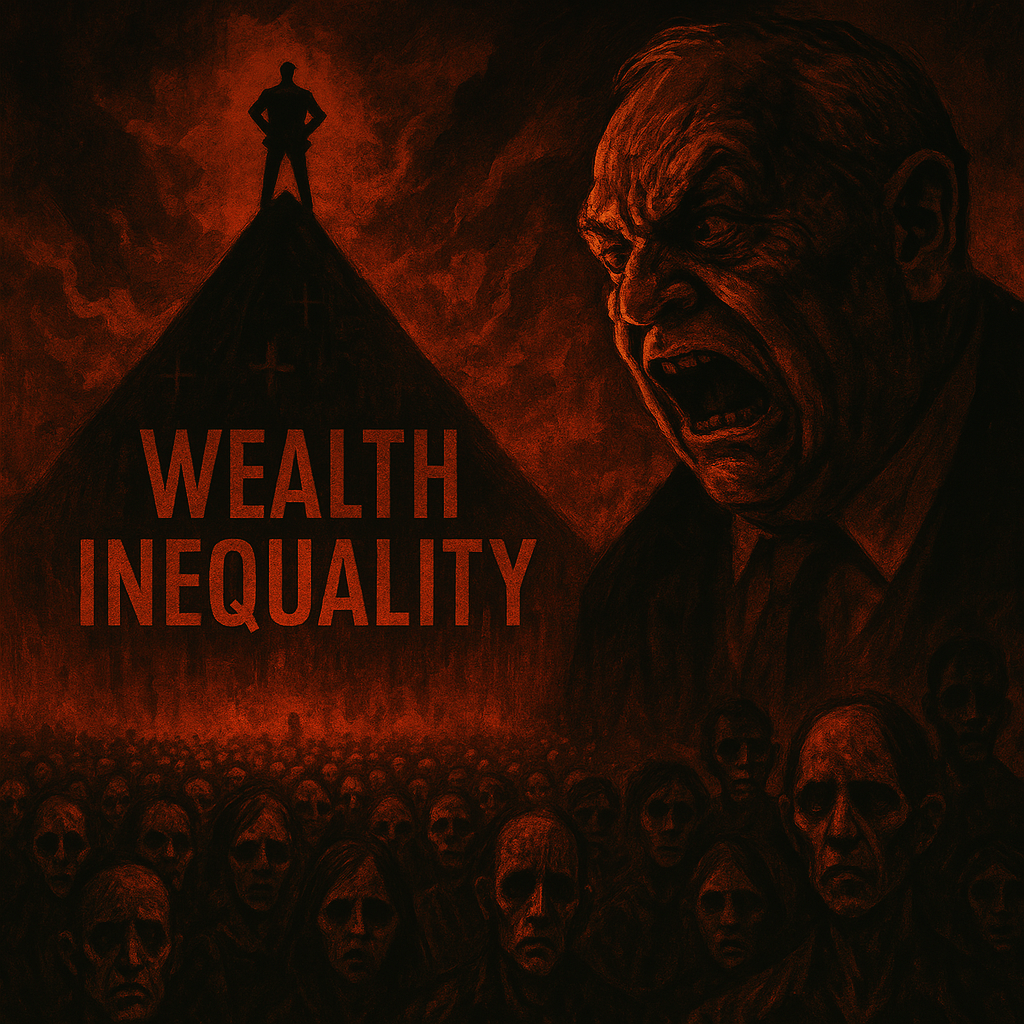



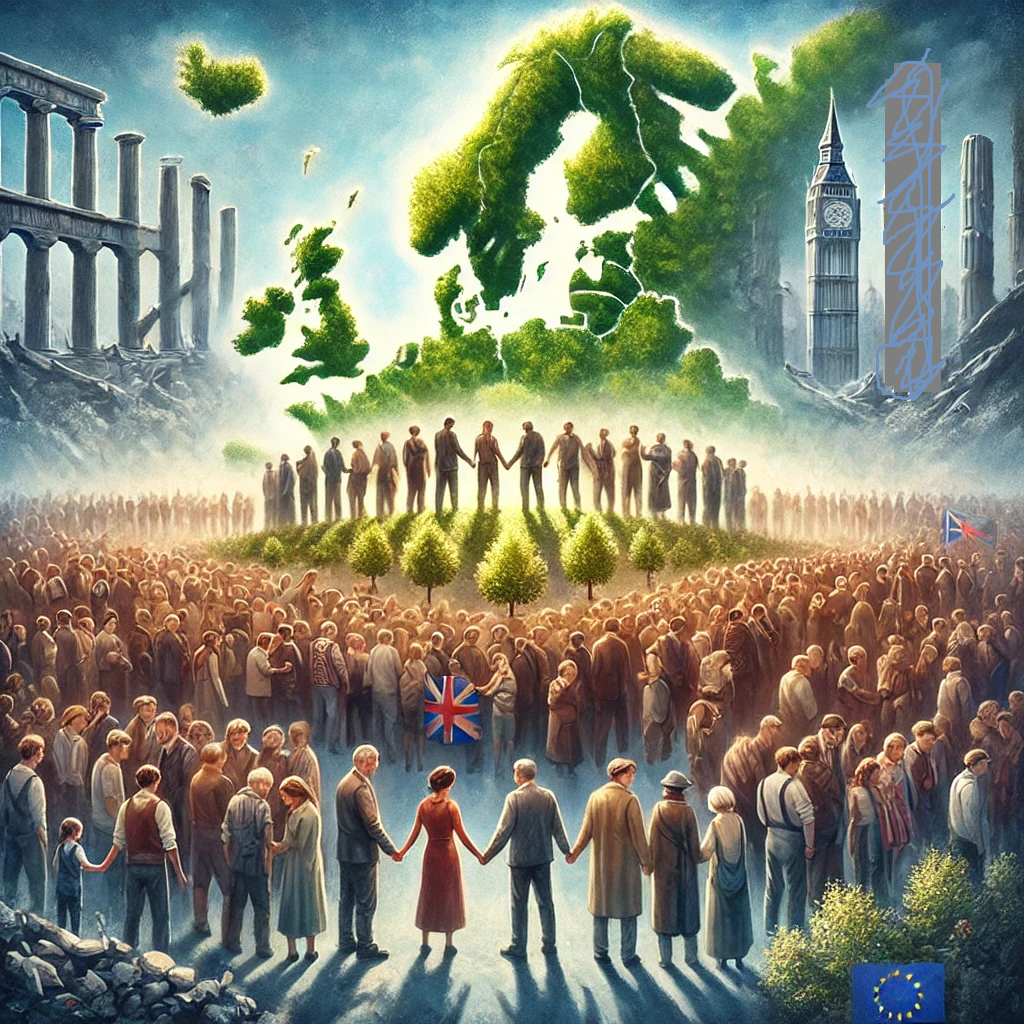
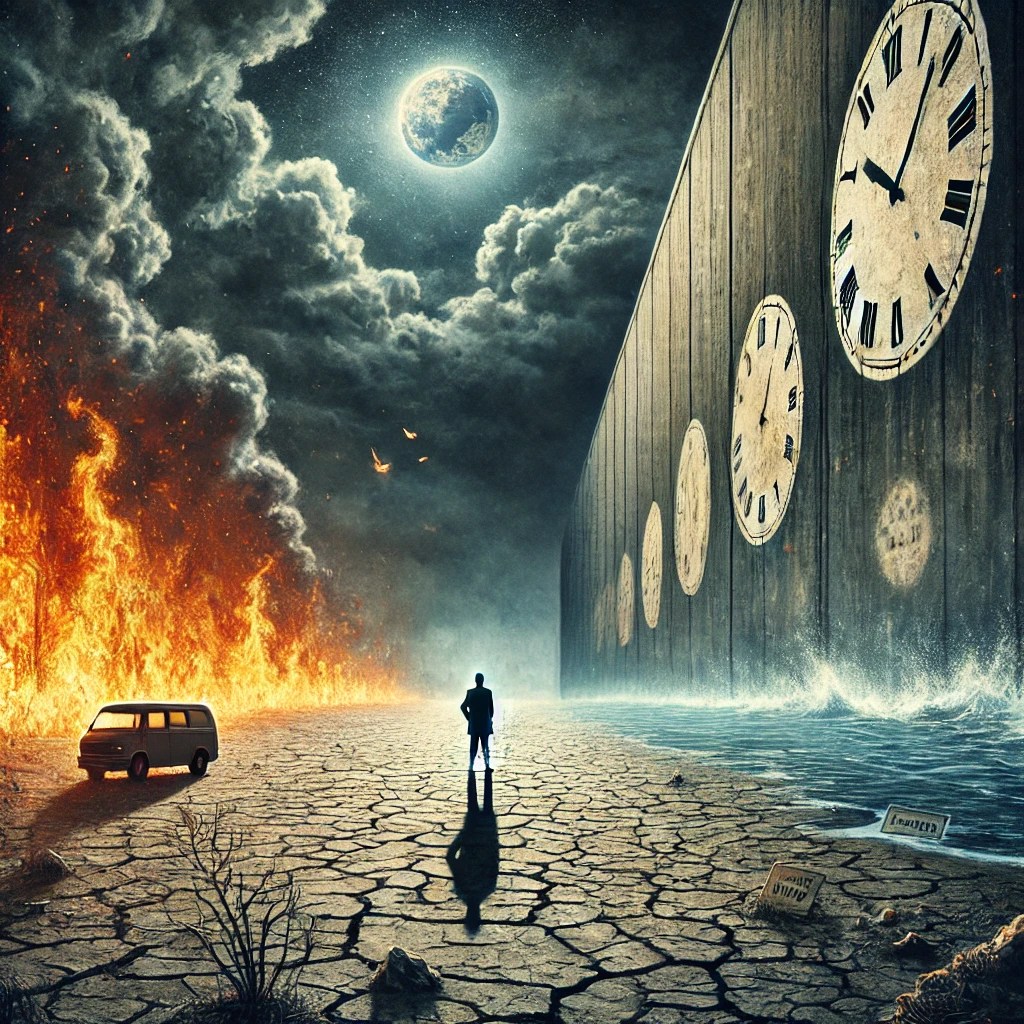
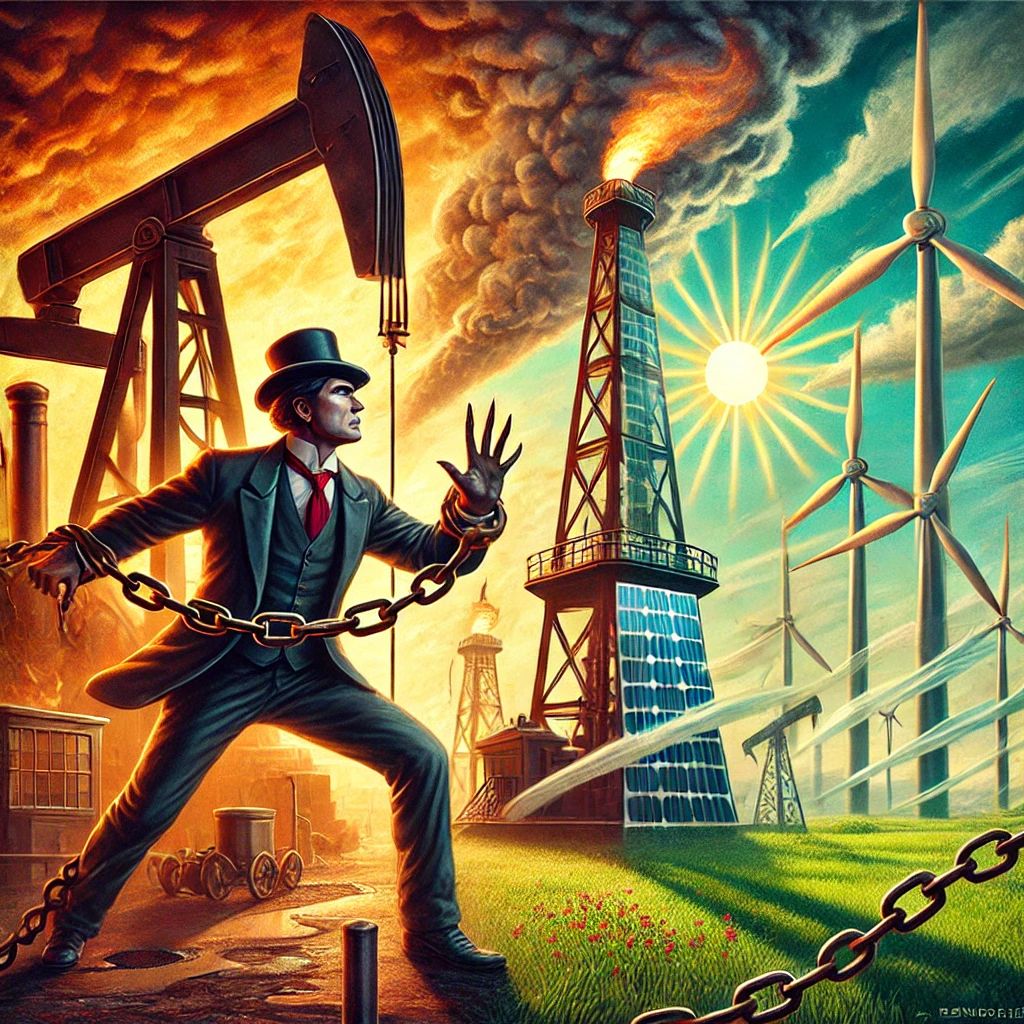
 My blog