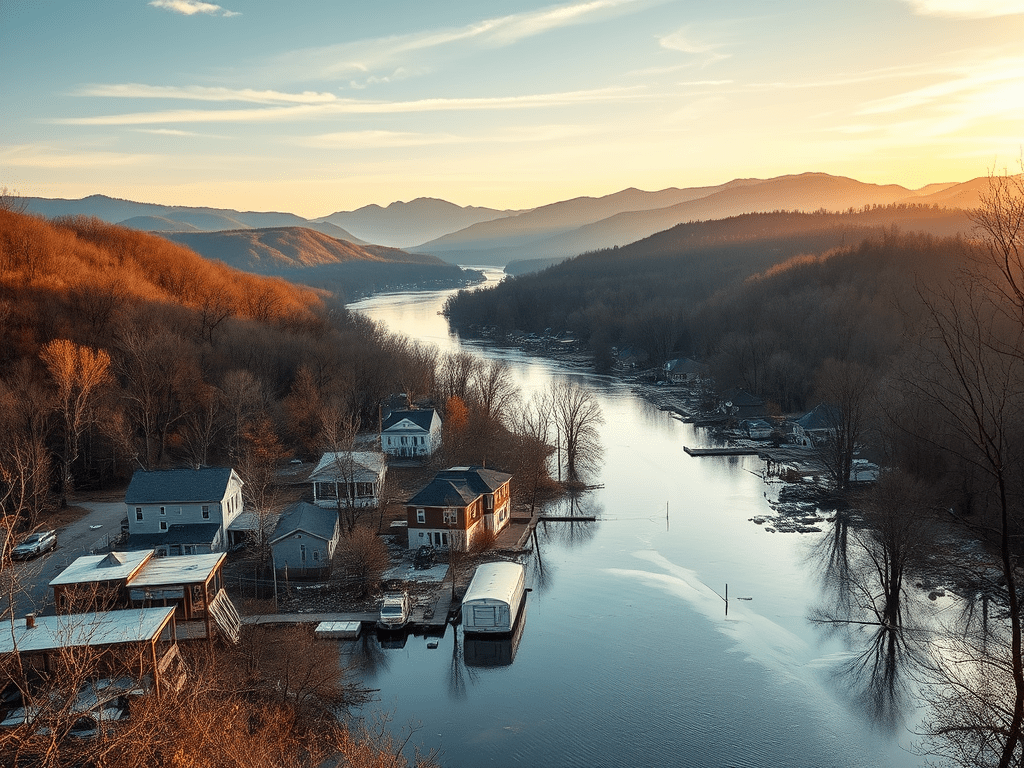
Almost Heaven, West Virginia
Blue Ridge Mountains, Shenandoah River
Life is old there, older than the trees
Younger than the mountains, growin’ like a breeze
Country roads, take me home
To the place I belong
West Virginia, mountain mama
Take me home, country roads…
John Denver 1971
West Virginia Needs More Than Thoughts and Prayers: A Call for Action After Hurricane Helene
The pictures from West Virginia after Hurricane Helene were shocking. Entire towns were underwater, families have lost everything, and yet the response from FEMA and the federal government has been slow and insufficient. This disaster is not just a natural catastrophe—it is also a test of how much the government cares about its people. Under President Trump’s policies, that care is weaker than ever.
A State in Trouble
Even before the hurricane, West Virginia was struggling. The economy has been declining for decades because coal mining, once the backbone of the state, is disappearing. As the mines closed, people lost their jobs, and poverty spread. Many turned to drugs, making West Virginia one of the worst-hit states in the opioid crisis. Public services and infrastructure have been neglected, leaving communities even more vulnerable when disasters hit.
The Impact of the Storm
When Helene hit, it left destruction everywhere. Roads were washed away, bridges collapsed, and thousands of people lost access to electricity, food, and clean water. But instead of receiving quick and effective help, West Virginians were met with bureaucracy, empty promises, and an overwhelmed FEMA unable to provide what was really needed.
Government Neglect Under Trump’s Policies
The Trump administration has cut funding for social programs and disaster relief. FEMA has less money, and emergency response programs have been deprioritized. Instead, Trump has focused on tax cuts for the rich and deregulating industries. His belief in a “small government” means less help when people need it most.
West Virginia has already been neglected for years. Now, in the face of a climate disaster, the state is being left to fend for itself. This cannot continue.
We Need Action Now
West Virginia needs real help, not just empty words. It’s time for leaders to take responsibility:
- Emergency aid now: The federal government must provide full-scale relief, funding for rebuilding homes and infrastructure, and fast help for those in need.
- A long-term plan: West Virginia cannot rely on coal forever. The state needs investment in new industries, infrastructure, and green energy to create jobs for the future.
- Holding leaders accountable: West Virginians deserve politicians who care about people, not just corporations. The government must take responsibility and act.
What You Can Do
If you want to help, consider donating to trusted organizations working in West Virginia. Contact your representatives and demand action. Share the stories of those affected, so their voices are heard.
The people of West Virginia are strong, but they should not have to survive alone. This disaster shows once again that we need a government that truly supports its people. We must demand real action—not just today, but for the future of West Virginia and all communities facing climate disasters.
Who or What is Holding West Virginia Back?
When discussing West Virginia’s struggles and its slow transition to green energy, it is important to ask: Who is really responsible? Are the people themselves resistant to change, or is something else at play? The reality is more complex. While many West Virginians depend on coal for their livelihoods, the real obstacles are the coal industry and its political influence, which have shaped both economic realities and public perception for decades.
The Role of the Coal Industry and Political Influence
For more than a century, coal has dominated West Virginia’s economy. But as demand for coal declines and mines close, communities are left behind. Instead of investing in the future, coal companies and their political allies fight against renewable energy to maintain their power.
- Political Influence: Many state politicians have strong ties to the fossil fuel industry, receiving campaign donations and political backing from coal executives. As a result, they prioritize policies that protect coal rather than prepare for a green transition.
- Blocking Renewable Investment: Instead of welcoming solar and wind energy as an opportunity, some lawmakers have actively resisted policies that would expand renewables.
- Misinformation and Fear: The coal industry has spent years convincing workers that green energy threatens their jobs—when in reality, it could create new employment opportunities.
The People: Trapped Between Tradition and Change
Most West Virginians are not against renewable energy—they are against being abandoned. Many have seen towns collapse when mines shut down, and they are right to be skeptical when politicians promise “new jobs” without concrete plans. The key concerns among residents include:
- Job Security: The fear that renewables won’t provide stable, high-paying jobs to replace lost coal jobs.
- Distrust of Government Promises: West Virginians have seen industries disappear before, often after being told that “better jobs” were coming—only for that support to never materialize.
- Cultural Identity: Coal mining is deeply tied to the state’s identity. Some see environmental policies as an attack on their way of life, rather than a shift toward opportunity.
The Path Forward: Breaking the Cycle
If West Virginia is to transition successfully, real action must replace empty words:
Invest in Green Energy Jobs – Renewable energy companies must create local jobs, especially by repurposing old coal sites for solar and wind projects. Retraining Programs – Just as coal workers were once trained for mining, they should now be given the skills needed for modern energy jobs. Political Change – If the coal industry’s grip on lawmakers continues, progress will be slow. Grassroots efforts and younger generations can demand policy changes that put people before corporations.
It’s Not the People, It’s the System
The people of West Virginia deserve better. They need leaders who will bring real investments—not just in emergency relief after disasters, but in long-term economic solutions. If given a fair chance, they could lead the way in America’s green energy future, rather than being left behind by a fading coal industry clinging to power.
 My blog
Really sorry to say this, but don’t 70% of the folks there just get what they deserve? Since they have voted for ‚drill, baby, drill‘ – Trump (according to official election results). Whereas the IRA or also our study, SwitchCoal, already have shown potential and profitable ways towards a brighter and viable future …
LikeLike